
No products in the cart.: $0.00
The Smart Ramadan Fasting Reset Your Body Actually Needs: Exhausted, Dehydrated & Foggy Yet Calm, Energised and Grounded
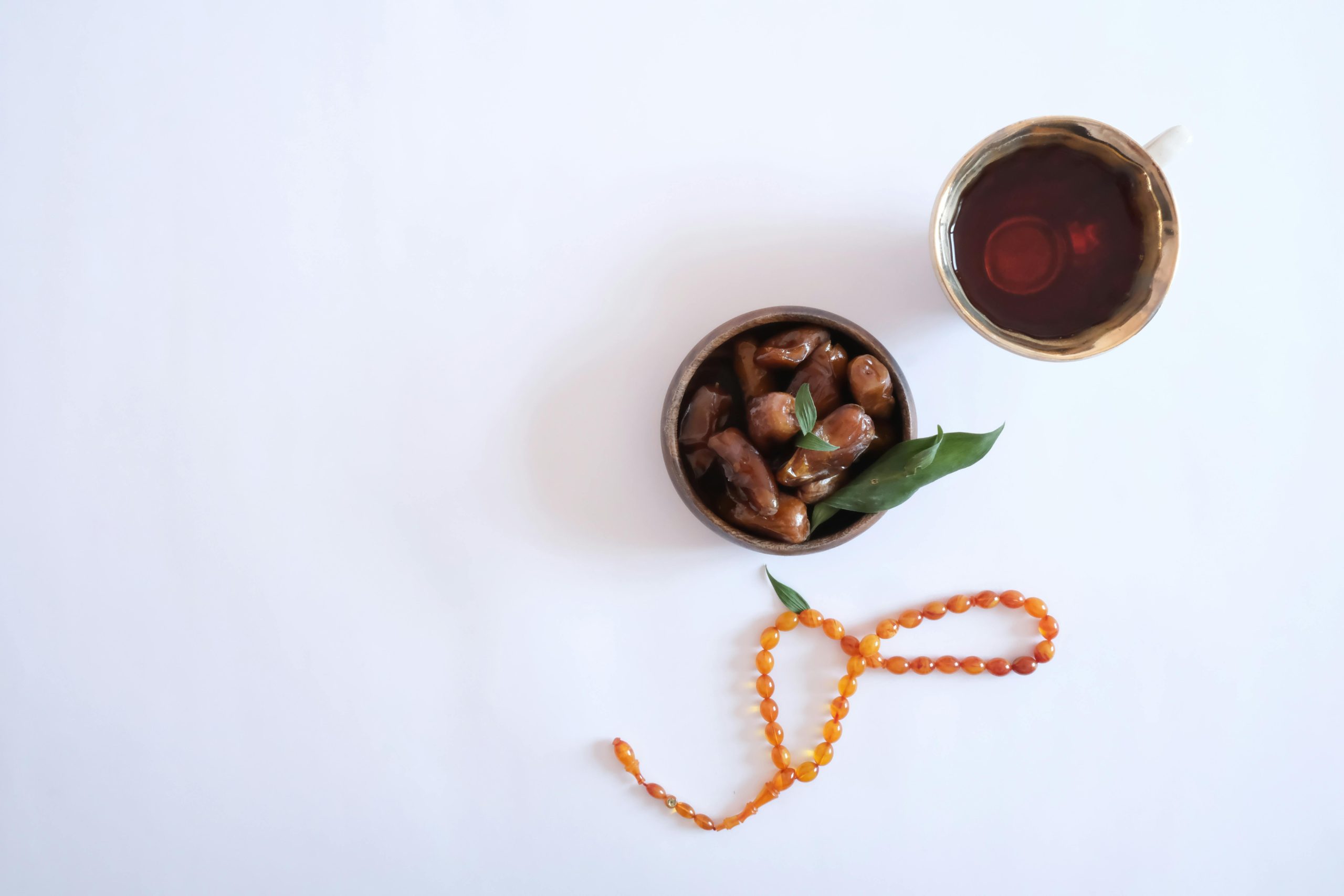
The Smart Ramadan Fasting Reset begins with understanding that Ramadan is not meant to drain the body, but to deepen discipline, reflection, and spiritual renewal. Yet for many, the physical reality of fasting feels uncomfortably harsh rather than harmoniously balanced. Long daylight hours without food or water can quietly lead to exhaustion, dehydration, irritability, digestive discomfort, and mental fog. Instead of feeling centred and present, the body struggles with headaches, low energy, and fading concentration. Turning a sacred month into a battle with fatigue rather than a journey of mindfulness.
But here’s the truth most people miss: feeling drained during Ramadan is not inevitable. In many cases, fatigue comes not from fasting itself. But from how we eat, drink and recover within the limited non-fasting hours. When nourishment is rushed, hydration is poorly planned and caffeine replaces proper rest, the body stays in survival mode. Leaving you depleted instead of grounded.
At Tea Therapy Singapore, we view Ramadan wellness as a form of gentle self-respect. Fasting should challenge the spirit, not punish the body. With mindful choices, Ramadan can feel calmer, clearer and more energising, supporting both physical health and spiritual focus.
Read: How To Stay Energised If You’re Fasting During Ramadan, According To Nutrition Experts
Why Ramadan Fatigue Happens (And Why It’s Avoidable) with The Smart Ramadan Fasting Reset
Many people accept low energy as part of fasting, but the most common causes are surprisingly simple:
- Skipping proper hydration planning
- Eating high-sugar or refined foods at suhoor
- Overloading the stomach at iftar
- Relying heavily on coffee or strong tea
- Neglecting digestion and sleep quality
These habits cause blood sugar spikes and crashes, digestive strain and disrupted sleep — all of which amplify fatigue. Over time, dehydration and poor digestion also affect mood and mental clarity, making fasting feel far more difficult than it needs to be.
Suhoor: The Most Important Meal You Can’t Afford to Get Wrong
Suhoor is not just an early breakfast, it is the foundation of your entire fasting day. What you eat at suhoor determines how stable your energy, focus and hunger levels will be for the next 12–14 hours.
A Smarter Suhoor Formula The Smart Ramadan Fasting Reset
To prevent crashes and excessive thirst, aim to include:
- Protein – supports muscle and keeps you full longer
- Fibre – slows digestion and stabilises blood sugar
- Healthy fats – supports brain function and satiety
- Gentle hydration – prepares the body without bloating
Foods like oats with seeds, yoghurt, eggs, lentils, tofu, vegetables and wholegrains are ideal. These digest slowly and provide sustained energy.
What to avoid: pastries, white bread, sugary cereals and salty processed foods. These may feel satisfying short-term but lead to early hunger, irritability and intense thirst.
Iftar: From Harsh Hunger to Gentle Rehydration

After a full day of fasting, it’s tempting to eat quickly and heavily. However, breaking the fast too aggressively can overwhelm digestion and cause discomfort.
Traditionally, fasting is broken with dates, which provide natural sugars and fibre for a gentle energy lift. Pairing dates with warm water, light soup or herbal tea helps rehydrate the body and gradually awaken digestion. This approach stabilises blood sugar and reduces overeating later in the evening.
Once digestion is gently reactivated, a balanced iftar should include:
- Lean protein (fish, chicken, lentils, tofu)
- Plenty of vegetables
- Healthy fats for nutrient absorption
- Wholegrains for steady energy
Hydration Without Stress: Sip With Intention
Going all day without fluids can sound intimidating, but dehydration can be managed with a thoughtful plan. The key is steady sipping, not chugging.
A practical approach:
- 2–4 glasses of fluid at iftar
- Sip fluids slowly throughout the evening
- 2 glasses at suhoor
Beyond plain water, hydration can come from:
- Herbal teas
- Light soups and broths
- Fruits and vegetables with high water content
These options replenish fluids while also supporting digestion and mineral balance, without overwhelming the bladder or stomach.
Beating Brain Fog and Mood Swings During Fasting
Ramadan fasting doesn’t only affect physical energy, it also impacts mental clarity. Low blood sugar and dehydration often lead to brain fog, irritability and reduced focus, especially in the afternoon.
To support mental alertness while use method The Smart Ramadan Fasting Reset
- Choose complex carbohydrates like legumes and wholegrains
- Include healthy fats for sustained brain fuel
- Avoid refined carbs that cause rapid crashes
- Take short walks or gentle stretches
- Prioritise restful sleep at night
In the evening, calming routines are crucial. Overstimulating the body with caffeine or heavy meals late at night can disrupt sleep and worsen next-day fatigue.
Why Caffeine-Free Herbal Tea Is Ideal During The Smart Ramadan Fasting Reset

Many people rely on coffee or strong tea to stay alert, but during Ramadan this often backfires, increasing dehydration and disturbing sleep.
Caffeine-free herbal teas offer a gentler alternative. They:
- Support hydration without stimulating the nervous system
- Help digestion after long fasting hours
- Encourage relaxation and better sleep
- Complement moments of reflection and prayer
Floral and botanical infusions are especially suited to evenings, allowing the body to unwind, restore and prepare for restful sleep, without interfering with hydration goals.
Ramadan Is Discipline, Not Depletion
When nourishment is intentional, Ramadan transforms:
- Less exhaustion
- Less dehydration
- Less irritability
Into:
- Steadier energy
- Clearer focus
- Better digestion
- Deeper calm and mindfulness
Fasting is not about pushing your body to its limits. It is about balance, awareness and care. When the body is supported, the spirit is free to focus on what truly matters.
This Ramadan, choose nourishment over neglect. Choose hydration over haste. And let every meal and every sip support a calmer, more energised fasting journey.