No products in the cart.: $0.00
Tea Timing Rituals That Transform 7 Wellness (And the Costly Mistakes That Quietly Sabotage Your Body)

Tea timing rituals as wellness has never been more visible, yet imbalance has never been more common. In today’s hyper-connected world, wellness advice is everywhere. Yet burnout, bloating, poor sleep, and chronic fatigue continue to rise. The problem isn’t always what we consume, but how and when we do it.
Many people drink tea casually, instinctively, or purely for taste. But tea, when consumed without intention, can lose much of its therapeutic value. Timing matters. Rhythm matters. And ignoring the body’s natural flow can quietly undermine even the most premium wellness choices.
At Tea Therapy Singapore, we believe tea is not a beverage, it is a ritual. When enjoyed at the right time, botanical teas can gently support digestion, calm the nervous system, and restore balance without force or overstimulation.
Below are 7 powerful tea timing rituals, along with the common mistakes that may be preventing your body from fully receiving their benefits.
1. Morning Tea: A Powerful Reset as Tea Timing Rituals or a Hidden Energy Mistake
Best time: After waking or post-breakfast
Morning is when the body transitions from rest to activity. Choosing the wrong tea at this stage can leave you sluggish or overstimulated.
Best choices:
- Chrysanthemum tea
- Light floral teas (rose, jasmine)
- Gentle fruit infusions
These teas support hydration, mental clarity, and gentle digestive awakening.
Common mistake:
Drinking overly heavy or calming teas first thing in the morning may slow digestion and cloud mental focus.
Powerful shift: Start light, warm, and floral, not intense.
2. Post-Meal Tea: The Difference Between Ease and Bloating
Best time: 20–40 minutes after meals
Digestive discomfort is one of the most common wellness complaints in modern life. Rushed meals, stress, and screen-time eating all contribute.
Best choices:
These botanicals are traditionally used to support digestion, reduce bloating, and encourage gentle detoxification.
Common mistake:
Drinking iced or overly sweet beverages immediately after meals can disrupt digestive flow.
Powerful shift: Warm tea supports circulation and comfort, cold drinks often do the opposite.
3. Afternoon Tea: Focus Without the Crash
Best time: Between 2pm–5pm
The afternoon slump is real, but caffeine overload is not the answer.
Best choices:
- Butterfly pea flower
- Jasmine (naturally caffeine-free)
- Floral Tea Bombs
These teas help maintain mental clarity without overstimulation or sleep disruption.
Common mistake:
Relying on late-afternoon caffeine leads to restless nights and hormonal imbalance.
Powerful shift: Choose calm focus, not forced alertness.
4. Evening Tea: Where Calm Begins or Anxiety Lingers
Best time: After dinner
Evenings should signal the body to slow down. However, many unknowingly sabotage this phase.
Best choices:
- Rose & peony blends
- White chrysanthemum
- Gentle floral infusions
These teas help release emotional tension accumulated throughout the day.
Common mistake:
Stimulating teas or sugary drinks late in the evening can increase restlessness and emotional agitation.
Powerful shift: Let your tea mark the transition from action to rest.
5. Night Tea: A Powerful Ally for Sleep (Or a Silent Disruptor)
Best time: 30–60 minutes before bed
Sleep is the foundation of wellness, yet it is often the first thing sacrificed.
Best choices:
- Herbal Tea Bonne Nuit
- Lotus seed, rose, longan-based blends
These ingredients are traditionally associated with calming the mind and supporting deeper rest.
Common mistake:
Drinking stimulating teas too close to bedtime disrupts the nervous system.
Powerful shift: Night tea should soothe, not stimulate.
6. The Ritual Itself: Why How You Drink Matters
Tea consumed while multitasking loses much of its therapeutic value.
Supportive ritual:
- Pause
- Breathe
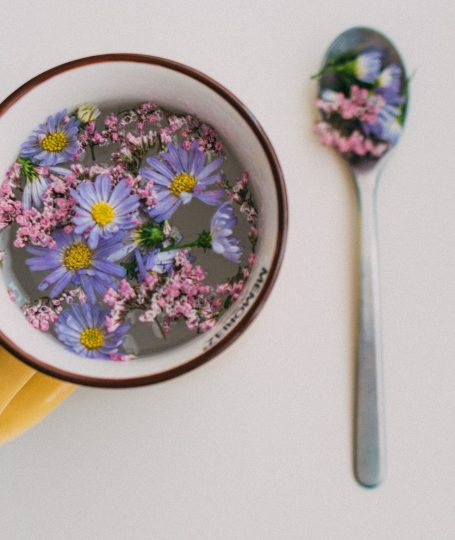
- Observe the bloom or aroma
- Drink slowly
Common mistake:
Scrolling, rushing, or drinking unconsciously.
Powerful truth: The nervous system responds to intention as much as ingredients.
7. Consistency Over Perfection: The Most Powerful Wellness Habit

Many abandon wellness routines because they aim for perfection.
What works:
- Same tea
- Same time
- Same calm intention
What fails:
- Constant switching
- Over-supplementing
- Ignoring body signals
Powerful reminder: Gentle consistency heals more than aggressive optimization.
Read: The body’s natural circadian rhythm
Why Tea Is a Positive Alternative to Supplement Overload
Unlike supplements that compete for absorption and may irritate sensitive systems, tea works gradually and holistically. It hydrates, nourishes, and calms, all in one ritual.
Tea doesn’t force change.
It invites balance.
Tea Timing Rituals as Wellness Is a Rhythm, Not a Shortcut
Ignoring the body’s natural timing creates silent resistance, fatigue, bloating, restlessness. Honouring it creates flow.
One cup at the right time can do more than ten taken mindlessly.
At Tea Therapy Singapore, we believe wellness begins not with urgency, but with intention, patience, and presence.