No products in the cart.: $0.00
Understanding the Role of Botanical Tea in Everyday Wellness (A Guide for 100% Natural Herbal & Flora Teas)
Understanding the role of botanical tea in everyday wellness begins with recognising the growing shift away from quick solutions and toward more sustainable, long-term health practices. In recent years, wellness conversations have shifted away from quick solutions and toward long-term balance. More people are paying attention to what they consume daily, not just food, but beverages as well. Among these, 100% natural botanical tea has re-emerged as a quiet yet meaningful part of everyday wellness routines.
At Tea Therapy Singapore, tea is viewed not as a trend, but as a time-honoured practice. Using real flowers, herbs, and botanicals, natural tea supports the body gently, without relying on artificial enhancements or stimulants.
What Does “100% Natural Tea” Really Mean?
A tea labelled as 100% natural should contain only real, recognisable ingredients, flowers, leaves, roots, fruits, or seeds—without artificial flavourings, colouring, preservatives, or added sugar.
This matters because the body responds differently to whole botanicals than to synthetic ingredients. Natural tea works gradually, supporting balance rather than forcing quick effects. The experience is often subtler, but more sustainable over time.
The Traditional Role How to Understanding the Role of Botanical Tea
For centuries, botanical teas have been consumed across cultures as part of daily life. Rather than being reserved for illness, they were often enjoyed for prevention, balance, and seasonal adjustment.
Floral and herbal teas were traditionally used to:
- Support digestion after meals
- Help the body adapt to heat or humidity
- Encourage relaxation during stressful periods
- Promote hydration without caffeine overload
These principles remain relevant today, especially in fast-paced urban lifestyles.
Floral Teas and Gentle Wellness Support

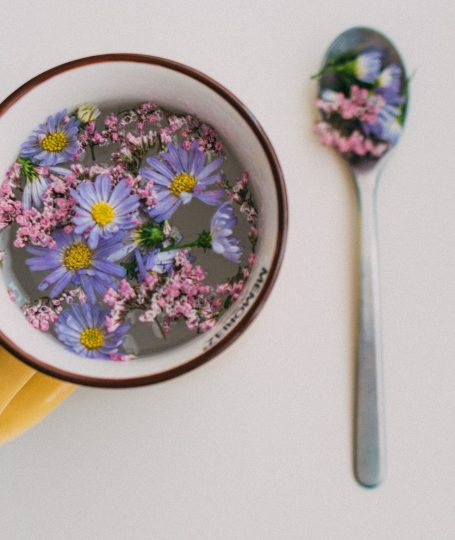
Floral teas are known for their light aroma and calming nature. Common botanicals such as rose, peony, chrysanthemum, jasmine, and osmanthus are traditionally associated with cooling properties and emotional balance.
From a wellness perspective, floral teas are often chosen by those who:
- Experience stress or mental fatigue
- Prefer caffeine-free beverages
- Seek gentle skin and digestion support
- Enjoy aromatic, soothing rituals
Because floral teas are naturally light, they are suitable for regular consumption. Also can be enjoyed both hot and cold.
Herbal Blends for Daily Balance
Herbal teas differ from floral teas in that they often focus on functional support. Carefully balanced herbal blends may be used to complement daily routines, especially when consumed consistently.
Depending on the ingredients used, herbal teas are traditionally associated with:
- Digestive comfort and gut balance
- Supporting natural detox processes
- Encouraging relaxation and sleep readiness
- Maintaining overall vitality
Importantly, herbal teas are not intended to act as medication, but rather as part of a balanced lifestyle that includes proper rest, hydration, and mindful eating.
Read: Herbs at a Glance
Why Caffeine-Free Options Matter on Understanding the Role of Botanical Tea
Many people rely on caffeine throughout the day without realising how it affects their energy cycles. While caffeine has its place, excessive intake may contribute to restlessness, disrupted sleep, or energy crashes.
100% natural, caffeine-free teas offer an alternative:
- Suitable for afternoon or evening consumption
- Gentle on the nervous system
- Support hydration without stimulation
This makes botanical tea an accessible option for people of all ages and lifestyles.
Tea as a Daily Ritual, Not a Remedy
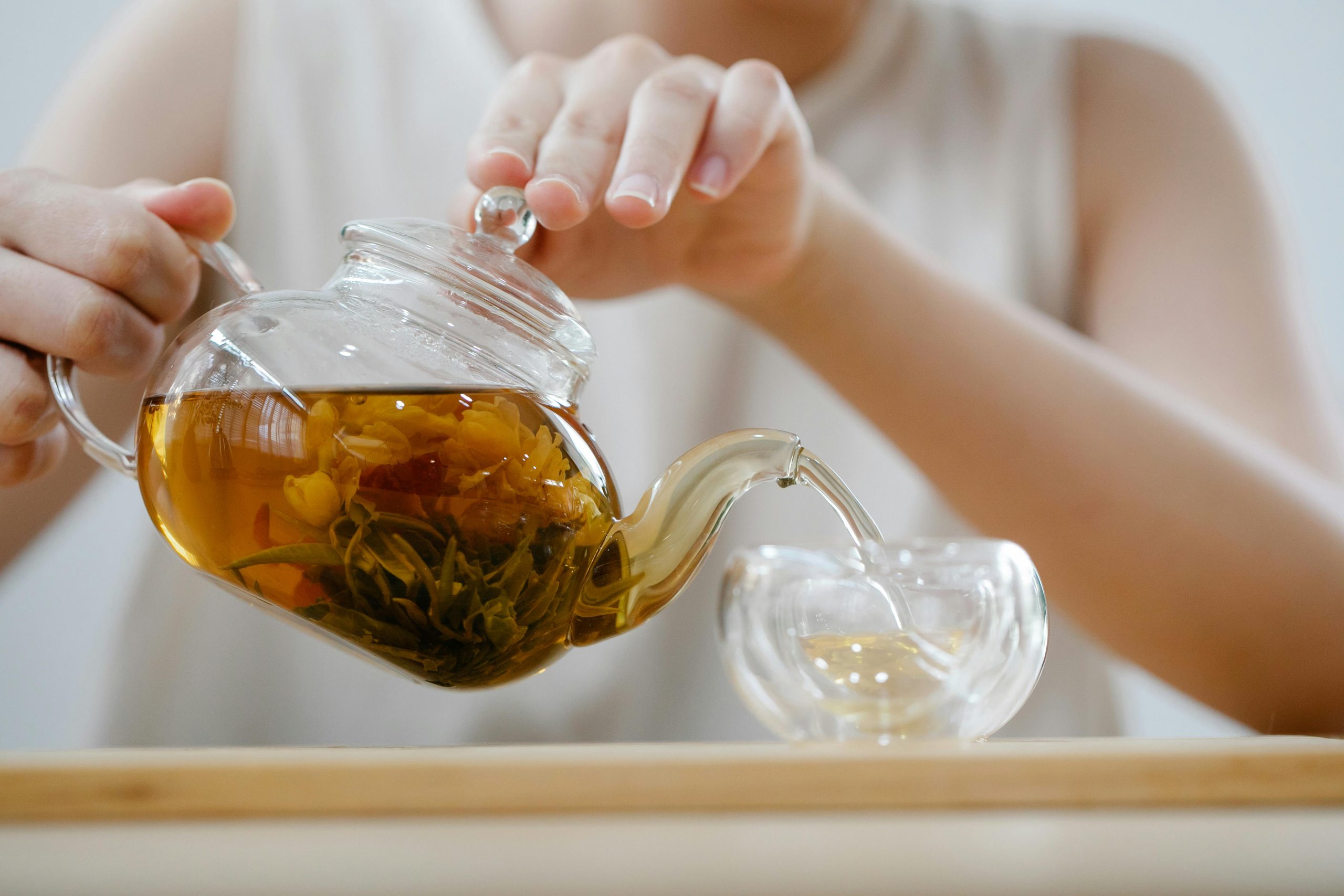
One of the most overlooked aspects of tea is the ritual itself. Preparing tea encourages a pause—boiling water, waiting for the infusion, observing colour and aroma. These moments help shift the body out of constant urgency.
From a wellness education perspective, this ritual supports:
- Mindful consumption
- Stress reduction
- Better awareness of thirst and hydration
Tea does not need to be consumed with expectations of instant results. Its value lies in consistency and presence.
Choosing Quality in Natural Tea

When selecting natural tea products, transparency matters on understanding the role of botanical tea. Understanding the ingredients, sourcing, and preparation methods helps consumers make informed choices.
At Tea Therapy Singapore, products are created with an emphasis on:
- Whole botanicals
- Minimal processing
- Clear ingredient purpose
- Balanced formulations
This approach aligns with the belief that wellness should feel supportive, not overwhelming.
A Thoughtful Approach to Everyday Wellness
Wellness is built through small, repeated habits. Choosing a 100% natural tea is one such habit, like simple, accessible, and adaptable to individual needs.
Rather than replacing meals or routines, botanical tea complements daily life. Whether enjoyed in the morning, during a work break, or in the evening, tea becomes a moment of balance in an otherwise busy day.
Tea Therapy Singapore believes that true wellness does not require complexity. Sometimes, it begins with something as simple as a cup of natural tea.