
No products in the cart.: $0.00
The Foot Health (Pain, Myths & Power) 6 Powerful Truths That Could Protect or Destroy Your Mobility
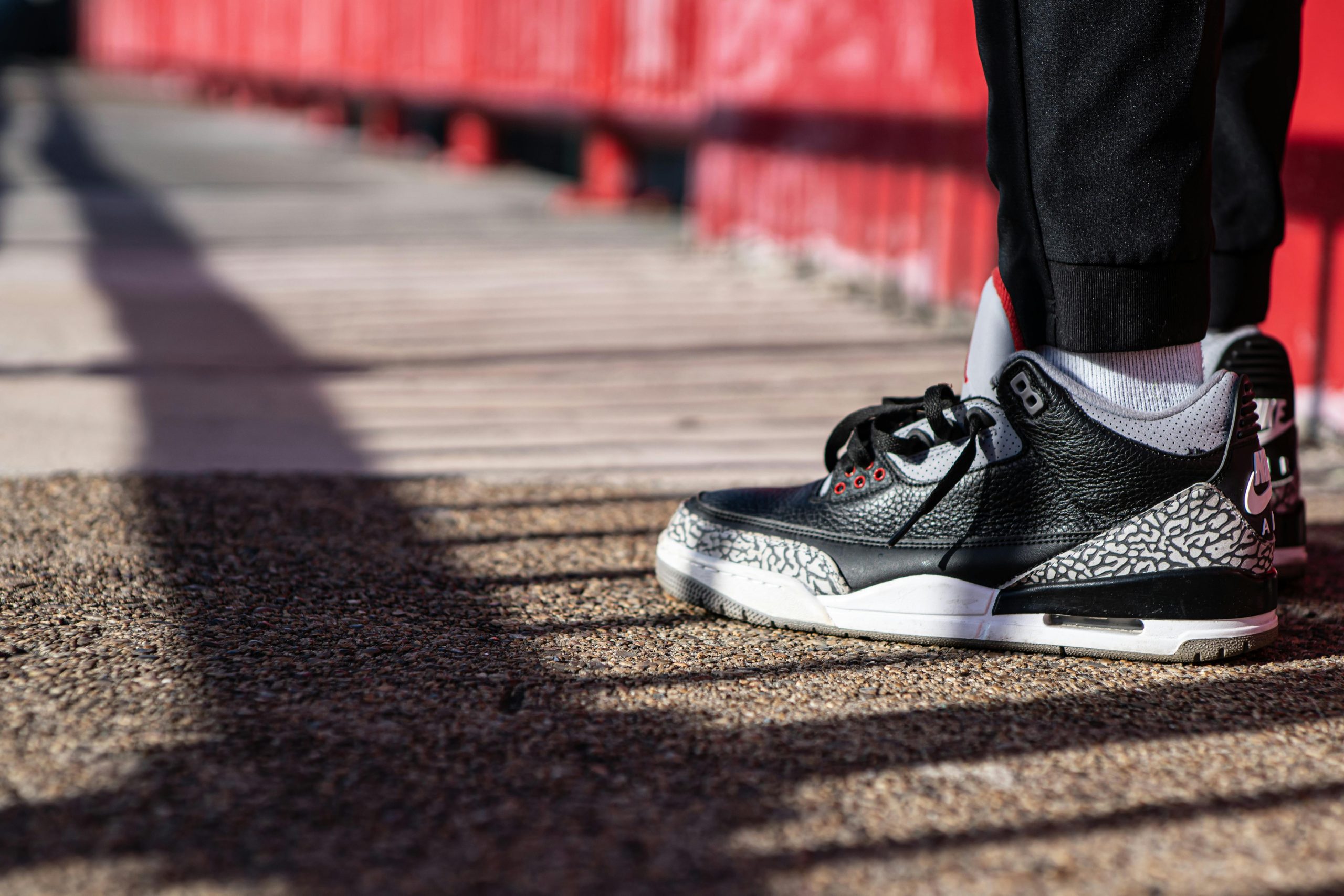
The Foot Health that quietly harm your feet, and the powerful changes that can restore strength, balance, and comfort
Foot health is one of the most overlooked areas of personal wellness. Yet your feet form the foundation of your entire body. They support your posture, influence your movement, affect circulation, and even impact how much energy you feel throughout the day. When foot health is neglected or misunderstood, the consequences can travel far beyond sore soles, affecting your knees, hips, lower back, and overall quality of life.
Unfortunately, many people unknowingly follow outdated or misleading advice about foot care. These myths may feel comforting, but they can quietly weaken your feet and increase the risk of long-term pain and mobility issues. At Tea Therapy Singapore, we believe that true wellness is built through education, mindful habits, and preventative care. Let’s uncover the most common foot health myths, and replace them with empowering, evidence-based truths.
Myth 1 The Foot Health: “Thick, cushioned shoes are always better for your feet”
The negative: False comfort that can weaken your foundation
Highly cushioned shoes and heavy arch support are often marketed as the gold standard for foot protection. While they may feel comfortable in the short term, relying too heavily on artificial support can reduce natural muscle engagement in the feet. Over time, this can weaken the intrinsic muscles that are designed to stabilise and support your body.
Your feet are biologically engineered to absorb shock and adapt to different surfaces. Excess cushioning can interfere with natural sensory feedback, making your feet less responsive and less strong.
The positive: Build strength through smart variety
Rotating between different types of supportive but less overly cushioned footwear can help activate foot muscles. Gradual exposure helps your feet adapt safely, supporting natural biomechanics and long-term resilience.
Myth 2 The Foot Health: “Walking barefoot is always bad for your feet”
The negative: Fear-based thinking limits natural movement
Many people avoid barefoot walking due to concerns about injury or hygiene. While unsafe environments should always be avoided, barefoot movement in controlled, clean settings can be highly beneficial.
Barefoot walking allows your feet to move naturally, strengthening small stabilising muscles and improving balance and body awareness. It also encourages more natural alignment of the ankles, knees, and hips.
The positive: Safe barefoot time builds natural strength
Walking barefoot at home, on grass, or on sand can gently recondition your feet. Start slowly and allow your body time to adapt. This can improve foot strength, coordination, and overall movement quality.
Myth 3 The Foot Health: “Foot pain is just part of getting older”
The negative: Normalising pain delays proper care
Many people accept foot pain as an unavoidable part of ageing. However, pain is not a normal condition, it is a signal. Persistent foot pain may indicate plantar fasciitis, arthritis, inflammation, nerve irritation, or footwear-related issues.
Ignoring these signals can allow small problems to become chronic and more difficult to treat.
The positive: Early care protects long-term mobility
Seeking professional advice when pain appears can prevent long-term damage. Proper footwear, stretching, strengthening exercises, and targeted treatment can significantly improve comfort and function at any age.
Myth 4 The Foot Health: “Insoles are the solution to all foot problems”
The negative: Treating symptoms instead of causes
Insoles can be helpful for certain conditions, but they are not a universal fix. Often, they reduce discomfort without addressing why the problem started — such as muscle weakness, poor gait mechanics, or inappropriate footwear.
Relying solely on insoles may delay more effective, long-lasting solutions.
The positive: A holistic approach delivers better results
Combining professional assessment, targeted exercises, gait adjustments, and suitable footwear often provides more sustainable improvements than insoles alone.
Myth 5 The Foot Health: “High heels are harmless if worn occasionally”
The negative: Short-term style, long-term strain
High heels shift body weight forward, placing excessive pressure on the forefoot and altering spinal alignment. Even occasional use can contribute to bunions, joint strain, calf tightness, knee discomfort, and lower back pain.
Over time, repeated strain can change foot structure and posture.
The positive: Balance fashion with foot care
Limiting heel use, rotating footwear, and stretching after wearing heels can help reduce long-term impact. Choosing lower, wider heels and supportive designs can also minimise stress.
Myth 6: “If my feet don’t hurt, they must be healthy”
The negative: Silent problems often go unnoticed
Many foot issues develop gradually without pain. Structural changes, pressure imbalances, and early deformities may not be noticeable until they become more advanced.
Waiting for pain means waiting too long.
The positive: Prevention is powerful
Regular self-checks and occasional professional foot assessments help identify issues early. Early awareness allows simple corrections before pain and inflammation develop.
Strong Feet Create a Stronger Life

Your feet are not just another body part, they are your foundation. Every step you take relies on their strength, alignment, and health. Believing outdated myths, ignoring early warning signs, or prioritising short-term comfort over long-term function can quietly undermine your mobility and wellbeing.
At Tea Therapy Singapore, we believe wellness is a daily practice. From mindful movement and proper foot care to calming tea rituals that support relaxation, hydration, and recovery. When you care for your foundation and nourish your body from within, you create a stronger, more balanced lifestyle.
Educate your feet. Support your body. Restore your balance — one step and one sip at a time.