No products in the cart.: $0.00
Tea for Stress Relief: 5 Everyday Stress Triggers That Drain You And Tea Rituals That Restore Ease & Clarity

Tea for stress relief plays a meaningful role, not as a quick fix. But as a calming ritual that helps the nervous system unwind and brings clarity back into the day. Stress rarely announces itself loudly.
More often, it slips quietly into our days, through routines, habits, and small pressures we’ve come to accept as “normal.” In Singapore’s fast-paced lifestyle, stress doesn’t always look dramatic. It shows up as restlessness, digestive discomfort, mental fog, or a body that feels constantly switched on.
At Tea Therapy Singapore, we believe tea for stress relief doesn’t need to be extreme or complicated. Sometimes, the most powerful shifts come from gentle rituals, especially those rooted in tea.
Below are 5 everyday stress triggers many of us experience. Paired with 5 tea rituals that help restore ease, clarity, and balance.
1. Constant Screen Exposure Make Mental Overload
The stress trigger:
From the moment we wake up, screens demand our attention, emails, notifications, news, social media. Continuous screen exposure overstimulates the nervous system, leading to mental fatigue, reduced focus, and difficulty winding down.
The tea ritual:
Create a screen-break tea moment, especially mid-morning or mid-afternoon.
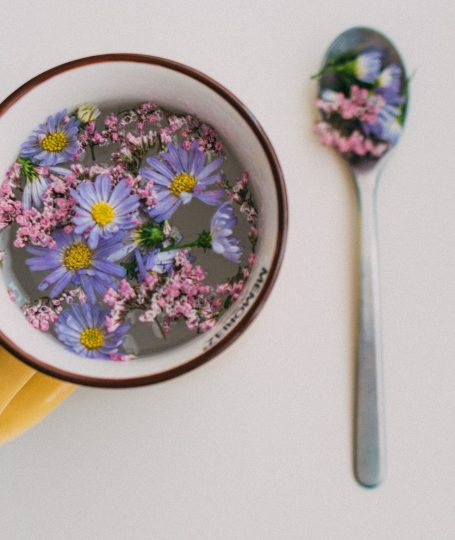
Prepare a warm floral or herbal tea, step away from your desk, and sip without multitasking. Let this be a 5–10 minute pause where your eyes rest and your breath slows. Gentle teas with calming botanicals help signal your mind that it’s safe to slow down.
Why it works:
This ritual interrupts mental overload and supports clarity by engaging your senses, warmth, aroma, and taste. Grounding you back into the present.
2. Irregular Meals & Rushed Eating Make Digestive Stress
The stress trigger:
Skipping meals, eating too quickly, or consuming heavy foods under time pressure puts strain on digestion. Over time, this can contribute to bloating, discomfort, and that heavy, sluggish feeling that affects both body and mood.
The tea ritual:
Adopt a post-meal tea for stress relief.
After lunch or dinner, brew a light herbal tea and sip slowly. Avoid iced drinks immediately after meals; warmth helps the body digest more comfortably.
Why it works:
Warm tea supports digestion and helps the body transition out of “rush mode.” When digestion feels settled, the nervous system naturally relaxes, restoring a sense of ease.
3. Emotional Suppression Make Internal Tension
The stress trigger:
Many of us push through emotions, stress, frustration, sadness, without processing them. Over time, unexpressed emotions manifest as physical tension, shallow breathing, or unexplained fatigue.
The tea ritual:
Practice a quiet emotional reset with tea.
Choose a calming blend, sit somewhere peaceful, and drink without distractions. Use this moment to check in with yourself: How do I feel right now? No judgment, no fixing, just awareness.
Why it works:
Tea rituals create emotional space. The act of slowing down allows feelings to surface gently, releasing internal tension and supporting emotional clarity.
4. Poor Sleep or Late Nights Make Nervous System Fatigue
The stress trigger:
Late nights, inconsistent sleep schedules, and difficulty switching off exhaust the nervous system. This often leads to irritability, low energy, and reduced resilience to stress the next day.
The tea ritual:
Introduce an evening wind-down tea ritual.
About one hour before bedtime, brew a naturally caffeine-free herbal tea. Dim the lights, put your phone away, and let this become a signal to your body that rest is coming.
Why it works:
Repeating this ritual nightly trains the nervous system to associate tea with relaxation, making it easier to transition into restful sleep over time.
5. No Time for Yourself Make Chronic Overstimulation
The stress trigger:
When every moment is filled, work, family, errands, social obligations. The body remains in constant “doing” mode. Without moments of intentional rest, stress becomes chronic.
The tea ritual:
Create a daily self-care tea appointment, even if it’s just 10 minutes.
Treat this time as non-negotiable. Brew your tea mindfully, notice the aroma, and sip slowly. This is not about productivity, it’s about presence.
Why it works:
Regular tea rituals remind the body that rest is part of daily life, not a reward. Over time, this reduces baseline stress and improves mental clarity
Tea for Stress Relief Matter More Than You Think
According to global health authorities, chronic stress can affect both physical and mental health, influencing sleep quality, digestion, and emotional balance, which is why gentle daily rituals play an important role in long-term care.
Tea for stress relief is more than a beverage, it’s a pause, a transition, a moment of care. Unlike quick fixes, tea rituals work gently and consistently, supporting the body’s natural ability to self-regulate.
By pairing awareness of stress triggers with intentional tea moments, you’re not just reacting to stress, you’re building resilience.
At Tea Therapy Singapore, we believe true wellness is cultivated through small, meaningful habits. One cup at a time, stress softens, clarity returns, and balance becomes part of your everyday life.
Sometimes, restoring ease doesn’t require doing more, just slowing down enough to steep, sip, and breathe.