No products in the cart.: $0.00
Rediscovering the Joy of Natural Food and Tea: A Gentle Reminder for Modern Wellness
Rediscovering the joy of natural food and tea is becoming increasingly important in today’s fast-paced world. Conversations about health and food are everywhere, and social media is constantly filled with trending diets, protein powders, detox programs, and endless advice about what we should or should not eat. While many of these discussions aim to encourage healthier lifestyles, they can sometimes make food feel complicated and overwhelming. Instead of bringing clarity, the constant stream of changing recommendations can create unnecessary anxiety around eating. Causing people to question simple, natural choices that have nourished generations for centuries.
At Tea Therapy Singapore, we believe that wellness should never feel stressful. True well-being begins with simple, natural ingredients and the joy of nourishing our bodies in a balanced way. Just as cooking at home can reconnect us with food, enjoying a warm cup of floral tea can help us slow down and rediscover a healthier relationship with what we consume.
Read: The health benefits of 3 herbal teas
When Food Becomes Complicated
Many people today feel overwhelmed by the constant flow of health information. One day a certain ingredient is praised as a superfood; the next day it is criticized. This cycle can lead to confusion and anxiety, especially for those who simply want to make healthier choices.
However, the fundamentals of wellness have always been simple: eat wholesome foods, enjoy balanced meals, and choose natural ingredients whenever possible. Rather than chasing every new trend, it is often more beneficial to return to traditional practices that have supported health for generations.
Floral and herbal teas are a wonderful example of this timeless approach to wellness. For centuries, cultures across Asia and Europe have used botanical ingredients to support relaxation, digestion, and overall vitality. These natural remedies were never about trends—they were simply part of daily life.
The Importance of Rediscovering the Joy of Natural Food and Tea
Food is more than nourishment. It is also connection.
Sharing meals with family, friends, or colleagues creates moments of conversation and comfort. Sitting around a table together encourages us to slow down and appreciate both the food and the company we share it with.
Tea plays a similar role in many cultures. A cup of tea can transform a simple moment into a meaningful pause during the day. Whether enjoyed alone during a quiet afternoon or shared during a gathering, tea invites calm and connection.
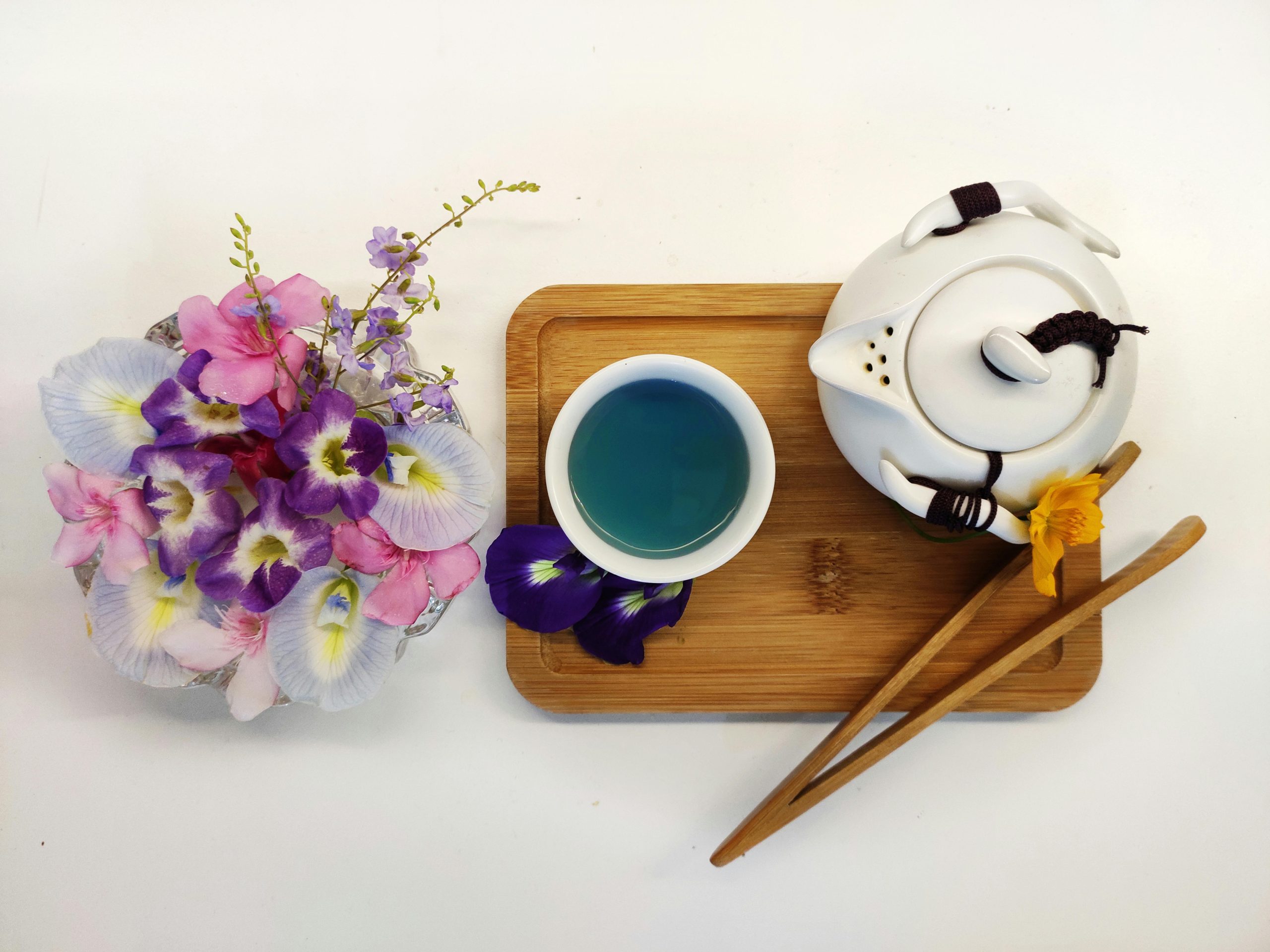
At Tea Therapy Singapore, we see tea not just as a beverage, but as an experience that brings people together. The delicate aroma of floral teas such as chrysanthemum, rose, jasmine, or butterfly pea creates a sensory moment that encourages mindfulness and appreciation.
Rediscovering the Joy of Natural Food and Tea Over Trends
Modern wellness culture often promotes supplements, shakes, and quick solutions. While these products may offer convenience, they cannot replace the richness and diversity of natural foods and botanicals.
Real ingredients—flowers, herbs, fruits, and roots—contain complex nutrients and beneficial compounds that work together naturally. When prepared thoughtfully, they provide both nourishment and enjoyment.
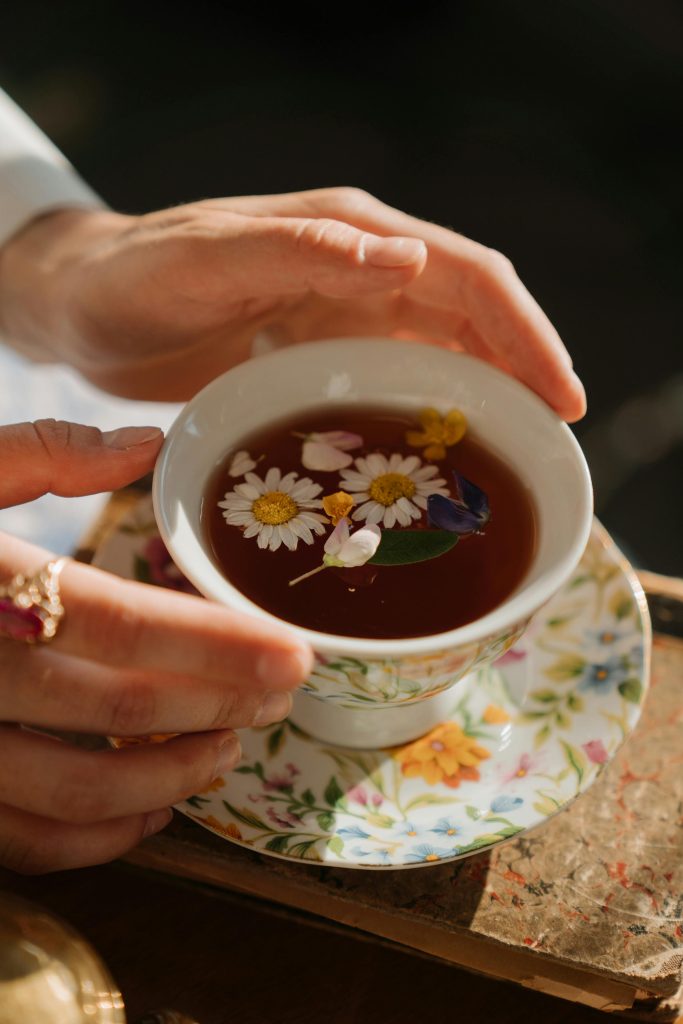
Floral teas are particularly valued because they offer gentle benefits while remaining light and refreshing. Many botanical ingredients used in traditional teas are known for their supportive properties:
- Chrysanthemum is often appreciated for its cooling nature and refreshing taste.
- Rose petals are commonly enjoyed for their calming aroma and association with beauty and relaxation.
- Jasmine offers a soothing fragrance that promotes tranquility.
- Butterfly pea flower is admired for its vibrant blue color and antioxidant content.
These ingredients demonstrate that wellness does not have to be complicated. Sometimes, the most beneficial choices are also the most natural.
The Power of Rediscovering the Joy of Natural Food and Tea

In modern life, we often rush from one task to another. Taking even a few minutes to prepare tea can become a meaningful ritual of slowing down.
Watching hot water gently release the colors and aromas of dried flowers reminds us to be present. The transformation of the tea—from delicate buds to a fragrant infusion—creates a calming experience that engages all the senses.
This simple ritual encourages mindfulness, allowing us to pause, breathe, and reset before continuing our day.
Teaching Future Generations About Natural Food
One important aspect of wellness is education. When children and young adults learn about natural ingredients early in life, they develop healthier relationships with food.
Understanding where ingredients come from—whether fruits, herbs, or flowers—helps people appreciate the value of nature’s gifts. It also encourages more thoughtful choices in the future.
Introducing young people to herbal and floral teas can be a gentle way to cultivate this awareness. The beauty of blooming flowers, vibrant colors, and natural aromas makes tea both educational and enjoyable.
A Simple Philosophy of Wellness
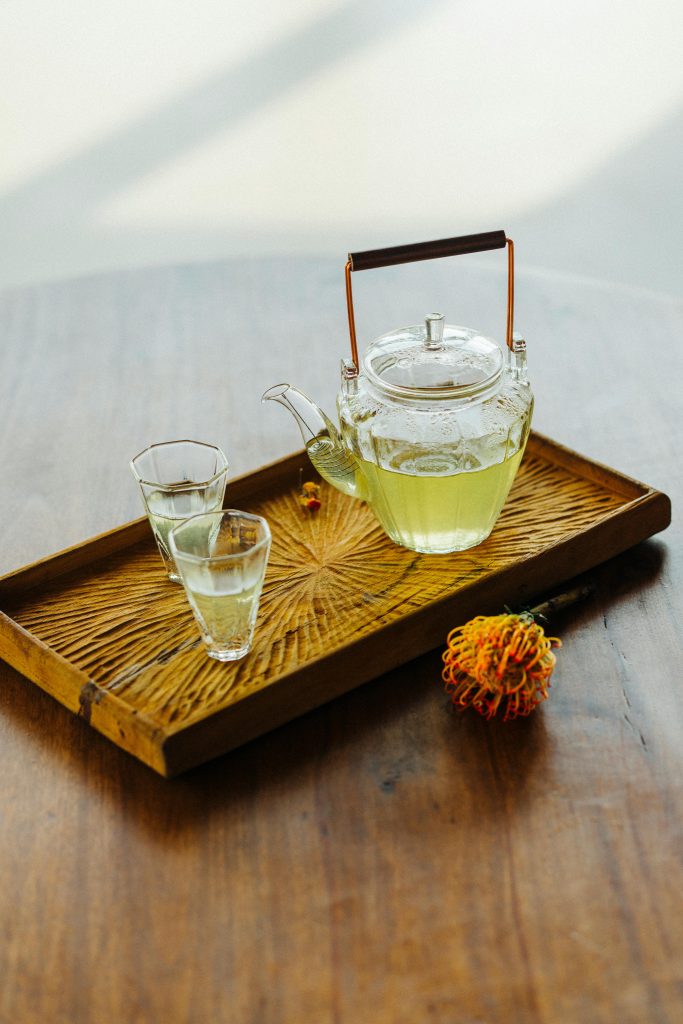
At Tea Therapy Singapore, our philosophy is simple: wellness should feel natural, joyful, and sustainable.
Rather than chasing every new health trend, we encourage a return to simple and meaningful daily rituals. Sharing meals with loved ones, appreciating natural ingredients, and creating small moments of calm throughout the day. Rediscovering the joy of natural food and tea reminds us that wellness does not have to be complicated. Sometimes, the most powerful habits are the simplest ones: slowing down, enjoying wholesome food, and savoring a warm cup of tea that brings comfort, balance, and a gentle pause to our busy lives.
A cup of floral tea may seem small, but it represents something meaningful: a pause from the noise of modern life and a reminder that good health often begins with the simplest choices.
When we reconnect with natural ingredients and mindful moments, wellness stops being a complicated trend and becomes what it should always be—a gentle, everyday practice.