
No products in the cart.: $0.00
Psychobiotics: Understanding the Connection Between the Gut and the Mind
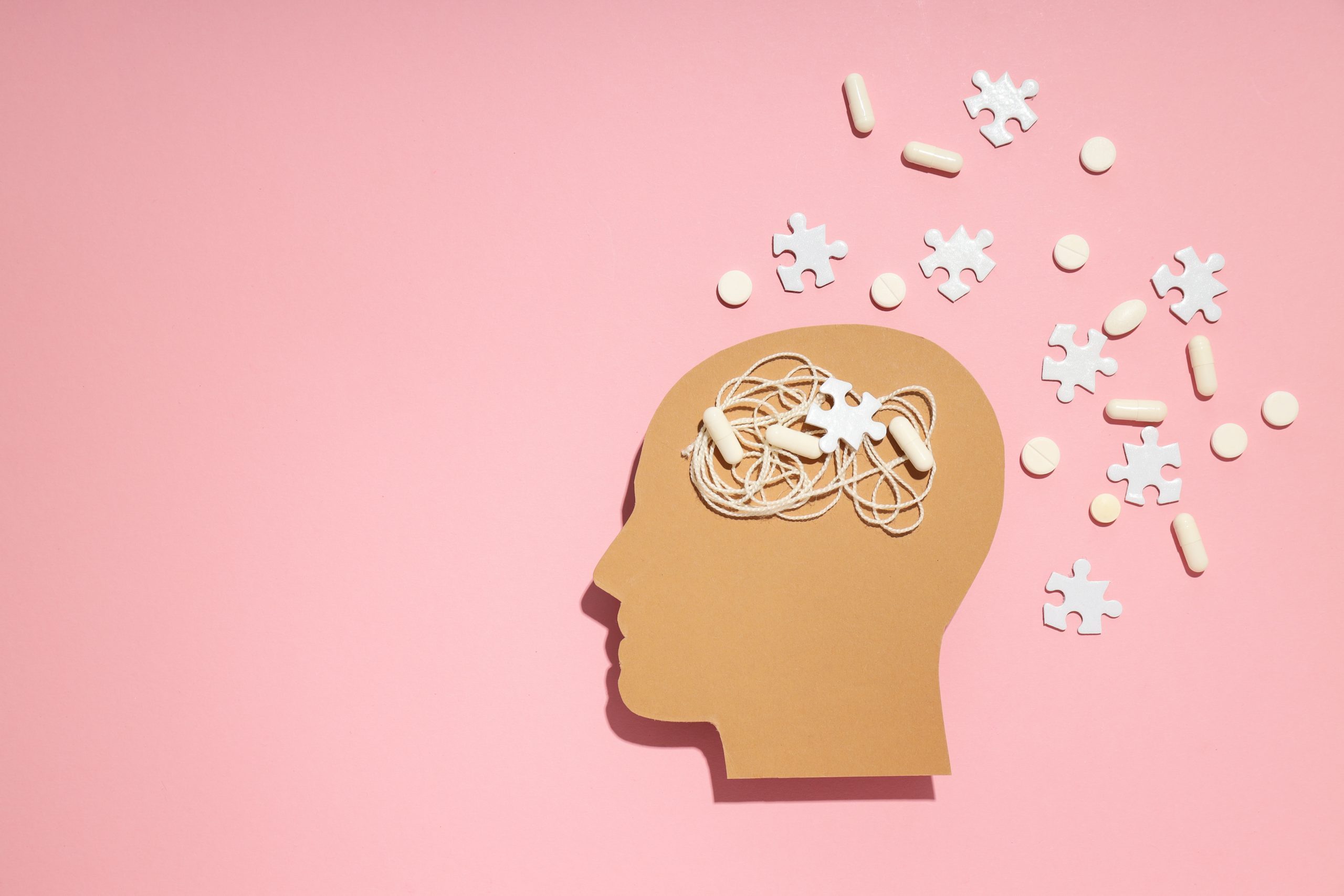
Psychobiotics are specific type of probiotic that may support better mental health and mood when consumed in sufficient amounts. The connection between the gut and the brain has become an increasingly interesting area of wellness research. While we often think of digestion and mental wellbeing as separate, scientists are discovering that the gut and brain communicate continuously through what is known as the gut-brain axis. One emerging concept in this field is psychobiotics.
What Are Psychobiotics?
Psychobiotics are microorganisms or microbiome-targeted approaches being studied for their potential influence on the gut-brain axis and mental wellbeing. The concept is closely related to probiotics, but with a particular focus on the possible effects of gut microorganisms on mood, stress, cognition, and emotional wellbeing.
The gut contains trillions of microorganisms that form the gut microbiome. These microorganisms interact with the digestive system and may also communicate with the nervous system through multiple pathways.
Research into psychobiotics is still developing, so they should not be viewed as a replacement for medical treatment. Instead, they represent an interesting area of research into how gut health and mental wellbeing may be connected.
How Does the Gut-Brain Axis Work?
The gut and brain communicate through several interconnected pathways, including the nervous system, immune system, hormones, and microbial metabolites.
One important pathway is the vagus nerve, which provides a communication route between the digestive system and the brain. The gut microbiome may also produce substances that interact with the body’s biological processes.
This means that changes in the gut environment may potentially influence processes beyond digestion. At the same time, stress and emotional changes can also affect digestion, demonstrating that communication between the gut and brain works in both directions.
Psychobiotics and Stress
Stress is one of the areas being explored in psychobiotic research. When people experience prolonged stress, it can affect digestion, appetite, sleep, and other aspects of daily wellbeing.
Researchers are investigating whether certain beneficial microorganisms or microbiome-focused interventions could influence the body’s response to stress.
However, results from research can vary depending on the specific microorganism, dosage, individual, and study design. More research is needed before broad conclusions can be made about the effectiveness of psychobiotics for stress management.
Food and the Gut Microbiome
Supporting a diverse and balanced gut microbiome generally starts with everyday dietary habits.
Foods containing dietary fibre, fruits, vegetables, whole grains, legumes, and a variety of plant foods can provide nutrients that support beneficial microorganisms in the gut.
Fermented foods are also commonly discussed in relation to gut health. Examples include yoghurt containing live cultures, kefir, kimchi, sauerkraut, and other traditionally fermented foods.
Rather than focusing on one particular food or supplement, a varied and balanced diet can be a practical foundation for overall digestive wellness.
Why Psychobiotics Are Gaining Attention
The growing interest in psychobiotics reflects a broader shift in how we understand wellness. Health is not necessarily divided into separate systems. Digestion, sleep, stress, nutrition, and lifestyle can interact with one another.
The idea behind psychobiotics is particularly interesting because it explores whether the microorganisms living in our gut may have a role in this wider connection between physical and emotional wellbeing.
For consumers, however, it is important to distinguish emerging research from established health claims. Psychobiotics remain an evolving area of scientific investigation.
A Holistic Approach to Gut and Mind Wellness
Taking care of the gut-brain connection does not have to mean following complicated routines. Regular meals, a varied diet, sufficient hydration, quality sleep, physical activity, stress management, and mindful daily rituals can all contribute to a balanced lifestyle.
A warm cup of herbal tea, for example, can become part of a calming daily ritual. While herbal tea should not be considered a psychobiotic treatment, creating moments to pause and relax can complement a broader approach to wellbeing.
Psychobiotics offer an exciting perspective on the relationship between the gut microbiome and the brain. As research continues, scientists may learn more about how specific microorganisms and microbiome-related compounds interact with pathways involved in stress, mood, and cognition.
For now, the best approach is to view psychobiotics as an emerging area of research while focusing on proven foundations of wellbeing: balanced nutrition, regular movement, adequate rest, and healthy daily habits.
Sometimes, wellness begins with understanding that the body works as a connected system, not a collection of separate parts.