No products in the cart.: $0.00
Non-Puritanical Routine Is the New Power Wellness Ritual: How Escaping Burnout & Embracing Glow
Non-Puritanical Routine for year has been presented as something strict, disciplined, and uncompromising. Early alarms, rigid routines, perfectly balanced meals, flawless sleep schedules, and relentless self-optimisation became the gold standard of “doing health right.” Yet beneath this polished surface, many people feel more exhausted than ever. Burnout has quietly become the price of perfection.
A growing shift in wellness culture suggests something radical yet deeply human: health does not thrive under pressure. Instead, it flourishes through balance, flexibility, and rituals that nourish rather than restrict. This is where the idea of a “non-puritanical” routine emerges, not as indulgence, but as a sustainable form of self-care. And at the centre of this gentler philosophy lies a simple, time-honoured practice: tea.
The Burnout Behind Perfect Wellness
Burnout doesn’t always arrive dramatically. Often, it builds quietly, mental fatigue, disrupted sleep, emotional numbness, and a sense that even self-care feels like another task to complete. Ironically, many people burn out while trying to be healthy.
Highly rigid wellness routines can trigger stress rather than relief. When rest becomes scheduled, food becomes moralised, and flexibility disappears, the nervous system remains in a constant state of alert. The body doesn’t reset; it braces.
A “non-puritanical” approach offers a different perspective. It values consistency over intensity and intention over control. It recognises that wellness is not what you do perfectly once in a while, but what you return to most of the time.
What a Non-Puritanical Routine Really Means
A non-puritanical routine does not reject structure, it softens it. It allows for late nights without guilt, slower mornings without shame, and pauses that don’t need justification. This mindset accepts that life moves in seasons, not straight lines.
Instead of asking, “Am I doing this right?” the question becomes, “Does this support me?”
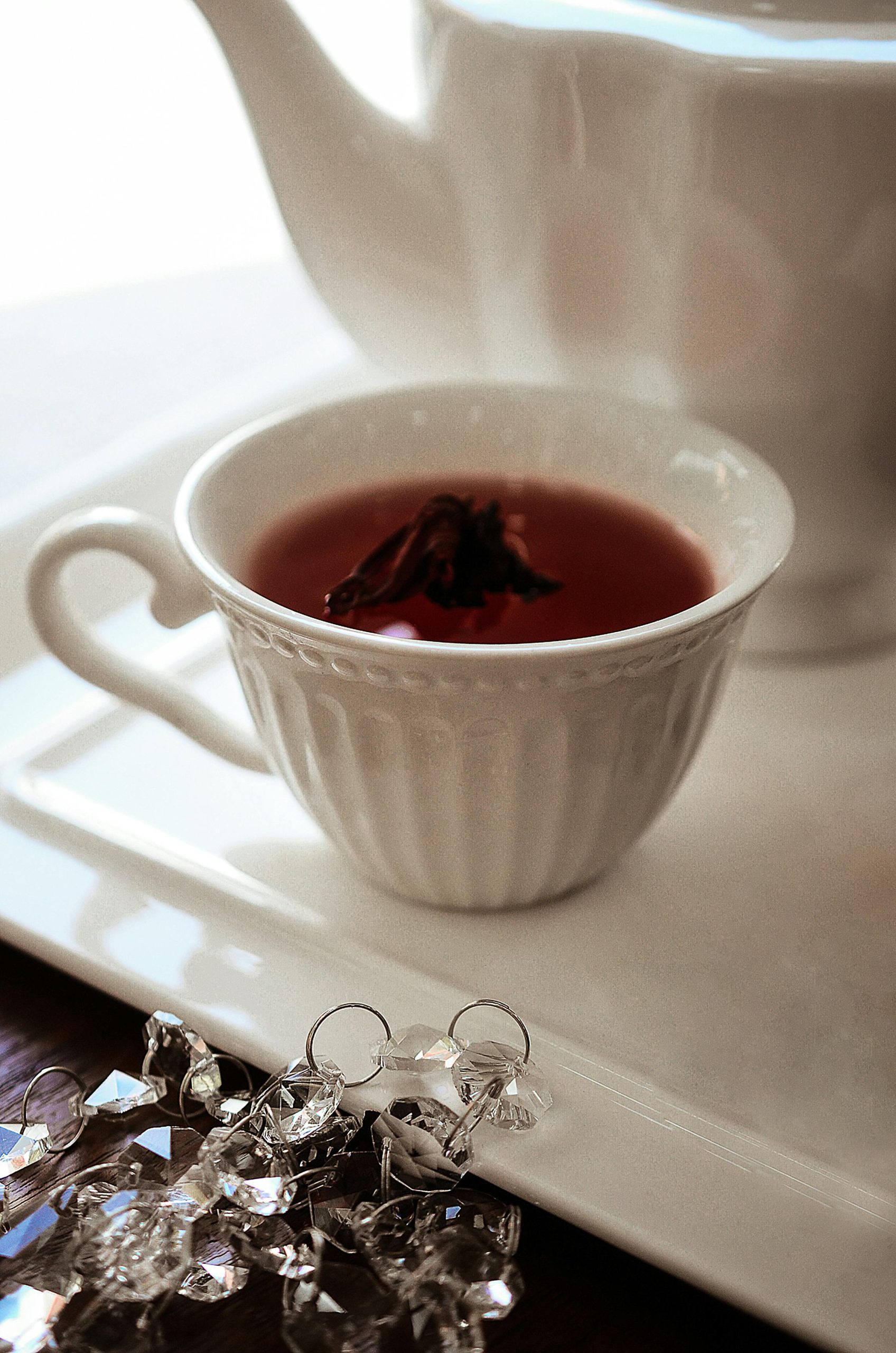
Tea rituals embody this philosophy naturally. They are flexible, intuitive, and forgiving. There is no punishment for missing a day, no pressure to prepare it perfectly. Tea meets you where you are, tired, rushed, reflective, or calm.
Quiet Rituals, Powerful Effects of Non Puritanical Routine
Modern science increasingly supports what traditional cultures have long understood: small, consistent rituals regulate the nervous system. The act of slowing down, even briefly, lowers stress responses and encourages mental clarity.
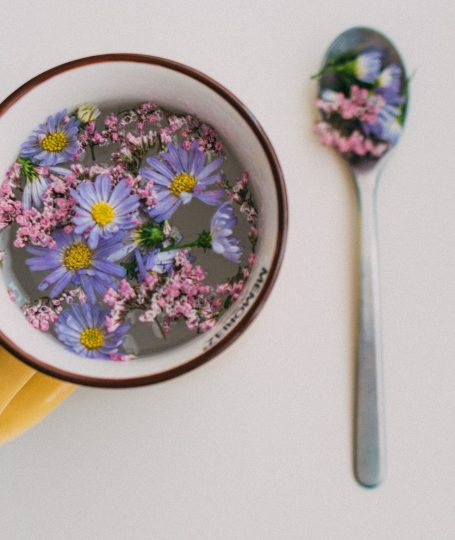
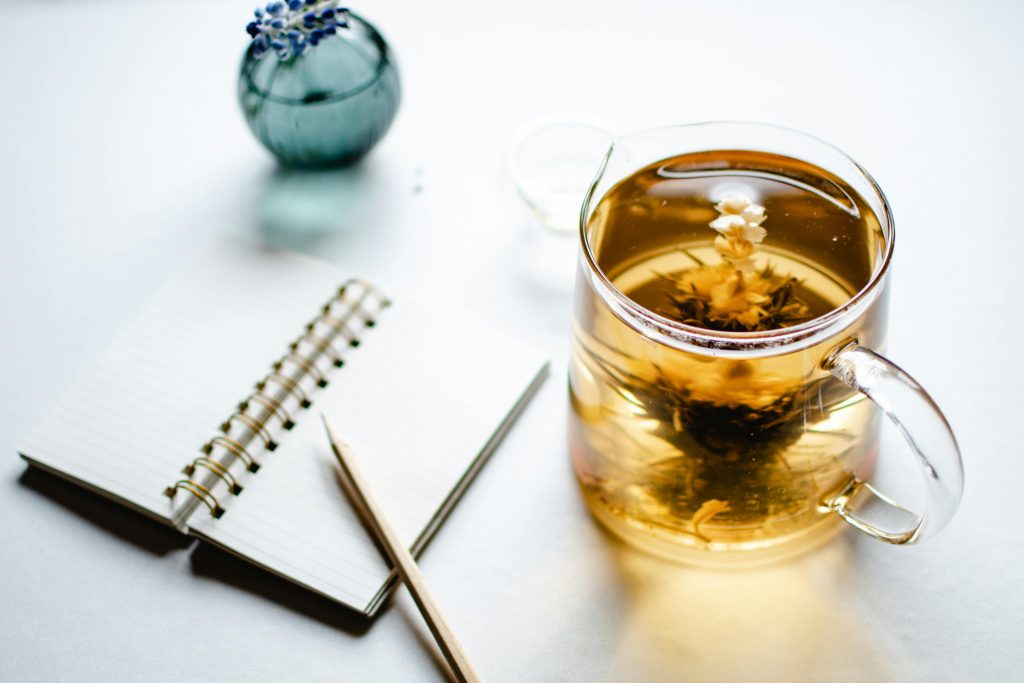
Preparing tea is a sensory ritual. The warmth of the cup, the aroma of botanicals, the visual bloom of flowers in hot water, these moments invite presence without effort. Unlike digital mindfulness tools or performance-driven wellness trends, tea requires nothing but attention.
This is why tea feels restorative rather than demanding. It doesn’t ask you to become better; it allows you to become calmer.
Read: Christy Turlington’s “Non-Puritanical” Routine Is The Reason She’s So Glowy
Glow Comes From Balance, Not Control
The word “glow” is often associated with external beauty, but true radiance comes from internal balance. Chronic stress dulls the skin, disrupts digestion, affects sleep, and drains emotional resilience. When the body is constantly pushed, it conserves energy rather than expressing vitality.
Herbal and floral teas have traditionally been used to support cooling, hydration, digestion, and relaxation, all foundational to inner balance. Ingredients such as rose, chrysanthemum, peony, and osmanthus are valued not for dramatic results, but for their gentle, cumulative effects.
Glow, in this sense, is not forced. It emerges when the body feels safe enough to restore itself.
The Return-to-Centre Philosophy
A powerful aspect of non-puritanical wellness is the idea of returning to centre. Life inevitably brings imbalance, travel, celebrations, deadlines, stress. Wellness does not mean avoiding these moments, but having a grounding ritual to return to afterwards.
Tea can be that anchor.
A familiar blend in the evening. A warm cup between meetings. A floral infusion at the end of a long day. These small acts remind the body and mind of stability without rigidity.
At Tea Therapy Singapore, tea is not positioned as a solution to fix the body, but as a companion that supports it gently, day by day.
Why Non-Puritanical Routine Is the New Power Wellness Ritual
Power no longer means pushing harder. In today’s world, power lies in sustainability. The ability to care for oneself without burning out. A non-puritanical routine honours this truth. It replaces extremes with rhythm, guilt with grace, and pressure with presence.
Tea rituals fit seamlessly into this modern understanding of wellness. They are adaptable, culturally rooted, and emotionally grounding. They do not demand discipline; they invite consistency. And over time, that consistency becomes transformative.
Wellness That Feels Human
Escaping burnout does not require a complete lifestyle overhaul. Often, it begins with permission to slow down, to be flexible, and to choose rituals that feel nourishing rather than performative.
A “non-puritanical” routine reminds us that wellness is not about doing more, but about doing what supports us most of the time. And sometimes, the most powerful act of self-care is simply allowing everything to slow down, one cup of tea at a time.