No products in the cart.: $0.00
Hormonal Wellness: Why Understanding That Matters More Than Ever

Hormonal wellness, especiall on women’s health has long been overlooked, misunderstood, or simplified into surface-level symptoms. One condition that highlights this issue clearly is Polycystic Ovary Syndrome, commonly known as PCOS. For many years, millions of women around the world have struggled with symptoms connected to hormonal imbalance while facing delayed diagnosis, confusion, and limited awareness about the condition itself.
Now, the medical world is taking a significant step forward. PCOS is set to be renamed Polyendocrine Metabolic Syndrome (PMOS), a change supported by international medical and patient organizations. While changing a medical term may seem small at first, the impact could be extremely meaningful for future understanding, diagnosis, and women’s wellness education.
At Tea Therapy Singapore, we believe wellness begins with awareness, balance, and mindful daily rituals that support overall well-being naturally.
Why Hormonal Wellness at The Old PCOS Term Was Misleading

One of the biggest misunderstandings surrounding PCOS was the name itself. Despite being called “polycystic ovary syndrome,” the condition is not actually defined by ovarian cysts. Many women diagnosed with PCOS do not even have cysts on their ovaries.
Instead, the condition involves a much broader combination of hormonal and metabolic imbalances that affect the entire body. The new name, PMOS, better reflects the true complexity of the condition by acknowledging its connection to endocrine and metabolic health.
This updated understanding helps shift the focus away from only reproductive symptoms and toward the wider effects hormonal imbalance can have on daily life.
Read: The Term PCOS Has Always Been Misleading – Take It From A Woman Who Has It
Hormonal Wellness Impacts The Entire Body
Hormones influence far more than menstrual cycles. They play a role in energy levels, metabolism, emotional health, digestion, sleep quality, skin condition, and overall wellness.
When hormones become imbalanced, individuals may experience symptoms such as:
- Irregular or painful periods
- Fatigue and low energy
- Mood fluctuations and stress sensitivity
- Skin concerns such as acne
- Sugar cravings
- Sleep disturbances
- Weight fluctuations
- Difficulty concentrating
- Digestive discomfort
Because hormonal wellness affects multiple systems in the body, symptoms can vary greatly from person to person. This is one reason many women spend years searching for answers before receiving proper support or diagnosis.
The Importance Of A Hormonal Wellness Approach
The growing conversation around PMOS also reflects a larger shift toward holistic wellness. More people today understand that overall health is connected to lifestyle habits, emotional balance, nutrition, sleep, movement, and stress management.
Supporting wellness naturally often includes simple daily practices such as:
- Maintaining balanced meals
- Staying hydrated
- Creating healthy sleep routines
- Managing stress levels
- Practicing mindfulness
- Taking regular breaks
- Enjoying calming herbal tea rituals
These small habits may seem simple, but consistency can help support emotional well-being and encourage a healthier lifestyle overall.
The Role Of Herbal Tea In Hormonal Wellness Rituals
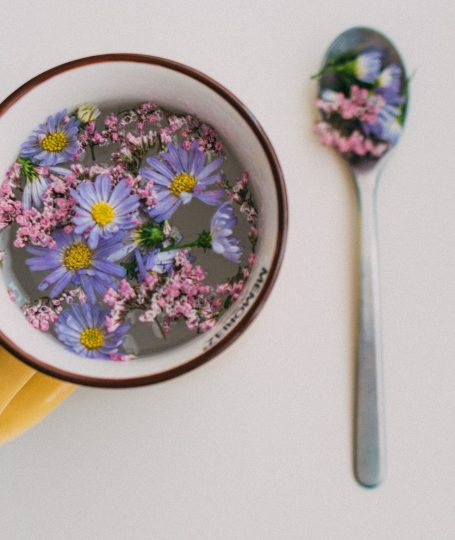
For centuries, floral and herbal teas have been part of wellness traditions across different cultures. While tea is not intended to diagnose or treat medical conditions, many people enjoy herbal teas as part of a calming and mindful self-care routine.
At Tea Therapy Singapore, floral tea rituals are designed to encourage moments of calm, relaxation, and balance in busy daily life.
Rose Tea
Rose tea is loved for its gentle floral aroma and comforting experience. Many tea lovers enjoy rose blends as part of a relaxing evening routine or peaceful self-care moment.
Chrysanthemum Tea
Chrysanthemum tea has traditionally been enjoyed as a refreshing floral beverage. Its light and soothing qualities make it a popular choice for relaxation and cooling refreshment.
Jasmine Tea
Jasmine tea is appreciated for its delicate fragrance and calming qualities. Many people enjoy jasmine tea during quiet moments to unwind and recharge.
Creating Better Awareness Around Women’s Wellness
The PMOS name change represents more than updated medical terminology. It encourages better education, stronger awareness, and more complete conversations about women’s health.
For many years, women experiencing hormonal symptoms were often dismissed, misunderstood, or told their concerns were simply “normal.” Increased awareness can help individuals seek support earlier and encourage more comprehensive healthcare conversations.
It also reminds society that women’s wellness deserves greater research, education, and understanding.
Small Daily Wellness Habits Matter
Improving wellness does not always require drastic changes. Often, small intentional habits practiced consistently can create meaningful long-term benefits.
Simple wellness rituals may include:
- Drinking more water
- Taking mindful pauses during stressful days
- Reducing screen time before sleep
- Prioritizing emotional rest
- Enjoying caffeine-free floral tea moments
- Practicing gentle self-care routines
Creating calm moments throughout the day can help support emotional balance and overall well-being.
Wellness Begins With Listening To Your Body
Every wellness journey is unique. Hormonal balance, stress levels, lifestyle, and emotional wellness can affect everyone differently. The growing conversation around PMOS highlights the importance of listening to the body and understanding health beyond surface-level symptoms.
At Tea Therapy Singapore, we believe wellness is about creating intentional moments of care, calmness, and balance through natural daily rituals.
Whether it is a warm cup of floral tea after a long day or a quiet moment to reset emotionally, mindful self-care practices can become meaningful parts of everyday wellness.
Disclaimer
This article is intended for educational and wellness awareness purposes only and should not be considered medical advice, diagnosis, or treatment. Individuals experiencing health concerns should consult qualified healthcare professionals for personalized guidance.