No products in the cart.: $0.00

Eye Health with Chrysanthemum Tea for Everyday Wellness
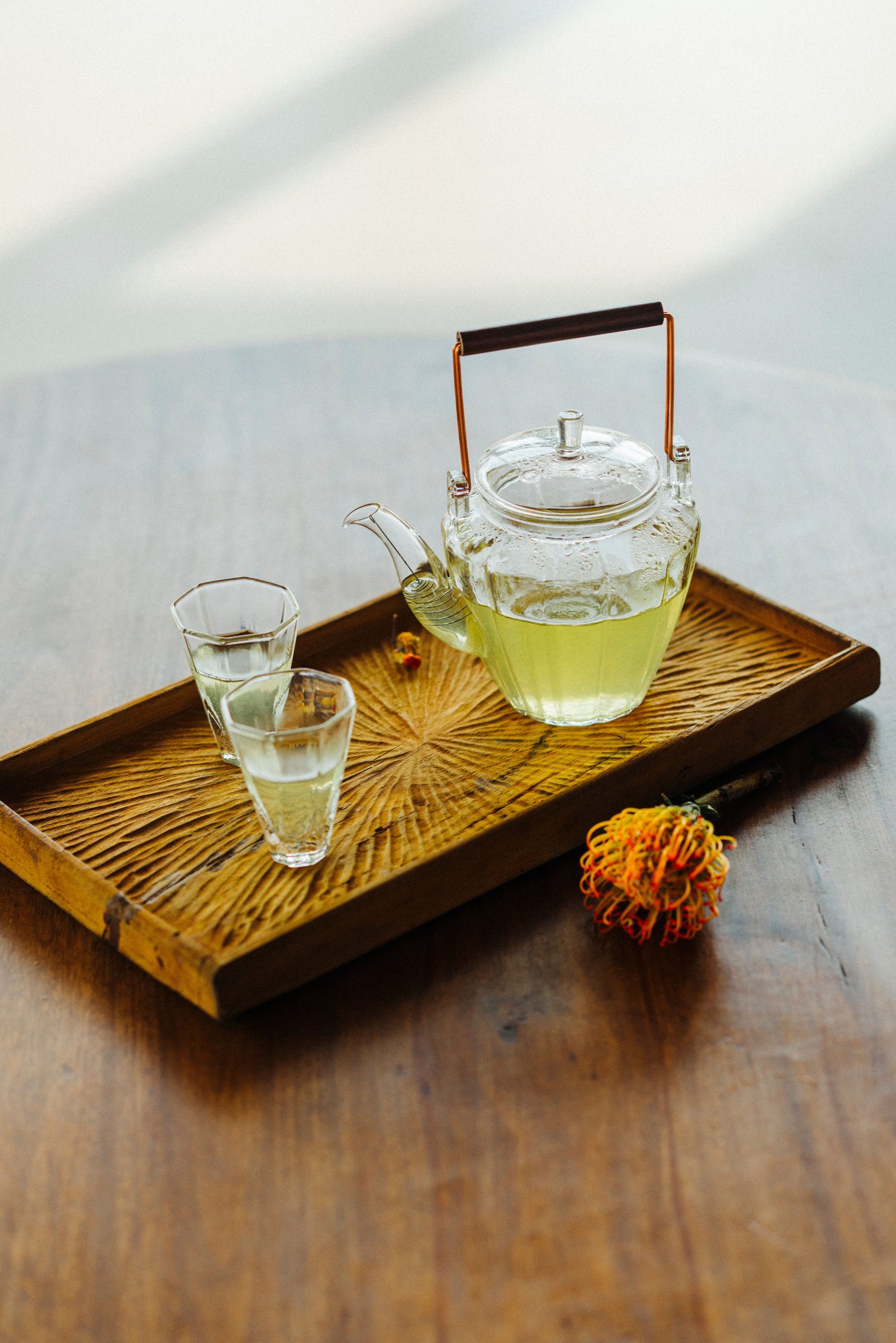
Eye health with chrysanthemum tea is known for delicate floral infusion that has been appreciated for centuries for its refreshing taste, naturally cooling properties, and traditional association with eye comfort. Our eyes work harder than ever. Whether we’re spending hours in front of computer screens, attending virtual meetings, reading on tablets, or scrolling through smartphones, prolonged screen time has become part of everyday life. Combined with environmental factors such as air conditioning, dry indoor environments, and Singapore’s bright tropical sunlight, it’s no surprise that many people experience tired or strained eyes by the end of the day.
While maintaining good eye health involves regular eye examinations, a balanced diet, quality sleep, and healthy screen habits, many people also enjoy traditional herbal beverages as part of their wellness routine.
Although chrysanthemum tea is not a medicine and should not be used to treat eye conditions, it can be a refreshing and enjoyable addition to a healthy lifestyle that supports overall well-being.
Why Eye Health Matters
Our eyes allow us to work, learn, connect with others, and enjoy the world around us. Because they are constantly exposed to light, digital screens, dust, and environmental pollutants, caring for our vision is an important part of maintaining long-term wellness.
Some common factors that may contribute to eye discomfort include:
- Extended computer and smartphone use
- Reading for long periods without breaks
- Dry indoor air from air conditioning
- Exposure to sunlight and ultraviolet (UV) rays
- Inadequate sleep
- Dehydration
Developing healthy daily habits, such as staying hydrated, taking regular screen breaks, and eating a nutrient-rich diet, can help support normal eye function. Enjoying a calming cup of chrysanthemum tea can also become part of this mindful wellness routine.
The Traditional Connection Eye Health with Chrysanthemum Tea
Chrysanthemum has been used in traditional East Asian herbal practices for hundreds of years. It has long been valued as a cooling botanical and is commonly enjoyed by people seeking a refreshing beverage after spending long hours reading, working, or being outdoors in warm weather.
Traditionally, chrysanthemum tea has been associated with promoting eye comfort and helping the body maintain balance, particularly during periods of heat or fatigue. While these traditional uses are well established in herbal culture, modern scientific research is still exploring the potential properties of chrysanthemum and its naturally occurring plant compounds.
Rather than viewing chrysanthemum tea as a remedy, it is best appreciated as part of a balanced wellness routine that encourages hydration, relaxation, and mindful self-care.
Read: The effect of a chrysanthemum water extract in protecting the retina of mice from light damage
Naturally Rich in Plant Antioxidants
One reason eye health with chrysanthemum tea continues to attract interest is its naturally occurring antioxidants.
Chrysanthemum flowers contain plant compounds such as flavonoids and phenolic compounds, which help protect the plant from environmental stress. Antioxidants found in foods and beverages are widely recognised as part of a healthy dietary pattern because they help protect cells from oxidative stress caused by free radicals.
While chrysanthemum tea should not be considered a substitute for a balanced diet, enjoying antioxidant-rich floral infusions alongside plenty of fruits and vegetables contributes to a more varied intake of beneficial plant compounds.
Supporting Hydration Throughout the Day
Good hydration is essential for overall health, including maintaining normal bodily functions.
Many people simply do not drink enough fluids during busy workdays. Replacing sugary beverages with naturally caffeine-free chrysanthemum tea is an enjoyable way to increase daily fluid intake while avoiding unnecessary added sugars.
Whether served hot during a quiet morning or chilled over ice in Singapore’s warm climate, chrysanthemum tea offers a refreshing option that encourages healthy hydration habits.
A Naturally Cooling Floral Tea
In traditional herbal philosophy, chrysanthemum is considered a “cooling” ingredient. This traditional concept refers to supporting the body’s internal balance rather than physically lowering body temperature.
Because of these traditional cooling qualities, chrysanthemum tea is especially popular during warm weather and after enjoying rich or spicy meals. Many people appreciate its clean, refreshing flavour as part of their everyday wellness routine.
Encouraging Relaxation in a Busy Lifestyle
Eye health is closely connected to overall well-being. Long working hours, stress, and constant digital engagement can contribute to feelings of mental fatigue.
Preparing a cup of chrysanthemum tea encourages a brief pause during the day. Watching the blossoms steep, enjoying the delicate floral aroma, and taking a few quiet moments away from screens can become a calming ritual that supports mindfulness and relaxation.
Small daily rituals like these often make it easier to create sustainable wellness habits.
Naturally Caffeine-Free for Any Time of Day
Unlike coffee or many traditional teas, chrysanthemum tea naturally contains no caffeine.
This makes it suitable for enjoying throughout the day, whether you are beginning your morning, taking an afternoon break, or relaxing in the evening.
Its light floral flavour also pairs well with other botanicals such as goji berries, rose petals, or jasmine flowers for a more personalised tea experience.
Building Eye Health with Chrysanthemum Tea for Better Eye Wellness

Supporting eye health involves more than one habit. Consider combining chrysanthemum tea with these simple practices:
- Follow the 20-20-20 rule: Every 20 minutes, look at something about 20 feet away for 20 seconds.
- Stay hydrated by drinking enough water throughout the day.
- Eat colourful fruits and vegetables rich in vitamins and antioxidants.
- Wear sunglasses with UV protection when outdoors.
- Ensure adequate sleep to give your eyes time to rest.
- Schedule regular comprehensive eye examinations with an eye care professional.
- Take short breaks during long periods of computer work.
Together, these habits help support overall eye comfort and wellness.
How to Enjoy Chrysanthemum Tea

For the best flavour and aroma:
- Place one premium chrysanthemum tea bloom or several dried blossoms into a glass teapot or cup.
- Pour hot water at approximately 80–90°C over the flowers.
- Allow the tea to steep for 5–8 minutes until the blossoms fully open.
- Enjoy warm, or chill the tea for a refreshing iced beverage.
- Optional additions such as honey, lemon slices, or goji berries can provide additional flavour while complementing the floral notes.
Watching the blossoms bloom in clear water transforms every cup into a beautiful and relaxing experience.
Are Eye Health with Chrysanthemum Tea Improve?
Chrysanthemum tea has remained a beloved floral beverage for generations because of its delicate taste, refreshing character, and long history in traditional wellness practices. While it should not be viewed as a treatment for eye conditions, it has traditionally been enjoyed to support eye comfort, encourage hydration, and promote relaxation as part of a balanced lifestyle.
Combined with healthy nutrition, regular eye care, adequate rest, and mindful daily habits, a cup of premium chrysanthemum tea offers a simple yet meaningful way to support everyday wellness.
Explore Tea Therapy Singapore’s benefits that is eye health with chrysanthemum tea, where every bloom is carefully selected to create a soothing tea experience that nurtures both the senses and your daily wellness journey.