No products in the cart.: $0.00
Eid al-Fitr and the Tradition of Sharing Floral Tea
Eid al-Fitr, commonly expressed with the greeting Eid Mubarak, is one of the most important celebrations for Muslims around the world. The phrase “Eid Mubarak” means “Blessed Festival” and is shared among family, friends, neighbors, and communities to express joy and goodwill. This celebration marks the end of the holy month of Ramadan, a period dedicated to fasting, reflection, charity, and spiritual growth.
After a month of discipline and devotion, Eid arrives as a joyful time of gratitude and celebration. Families gather for special prayers, festive meals, and meaningful conversations. Homes are decorated, new clothes are worn, and children often receive gifts or small tokens of appreciation. Beyond the celebrations, Eid carries a deeper message of forgiveness, kindness, and strengthening relationships.
One of the most cherished aspects of Eid is hospitality. During the festival, homes welcome relatives, friends, and neighbors. Guests are offered delicious dishes, traditional sweets, and refreshing beverages. These moments of gathering and sharing create a warm atmosphere where conversations flow easily and memories are created.
Tea and Hospitality During Eid al-Fitr Celebrations
Across many cultures in Asia and the Middle East, tea has long been a symbol of hospitality and respect. Serving tea to guests is a gesture of warmth and appreciation. During festive occasions like Eid, tea becomes an essential part of welcoming visitors and encouraging meaningful conversation.
A pot of tea placed at the center of the table invites people to slow down, relax, and connect with one another. After enjoying festive meals, a soothing cup of tea helps create a gentle pause in the celebration. This simple tradition reflects the spirit of Eid—sharing time, gratitude, and kindness with others.
Among the many varieties of tea enjoyed during celebrations, floral tea has gained popularity for its elegant aroma and naturally calming qualities.
Read: Tea and sweets serve Eid al-Fitr traditions to a celebratory crowd
The Beauty and Aroma of Floral Tea

Floral teas are crafted from dried flowers and botanicals that release their fragrance and flavor when steeped in hot water. The gentle aroma and delicate taste of floral tea make it a perfect beverage for festive gatherings.
Some of the most loved floral ingredients include Chrysanthemum, Rose, Jasmine, and Peony. Each flower brings a unique character to the tea.
Chrysanthemum tea is appreciated for its light and refreshing taste. Rose tea is known for its sweet floral aroma and soothing qualities. Jasmine tea offers a delicate fragrance that many people associate with calmness and relaxation. Peony tea, often considered elegant and refined, has been enjoyed for generations in traditional tea culture.
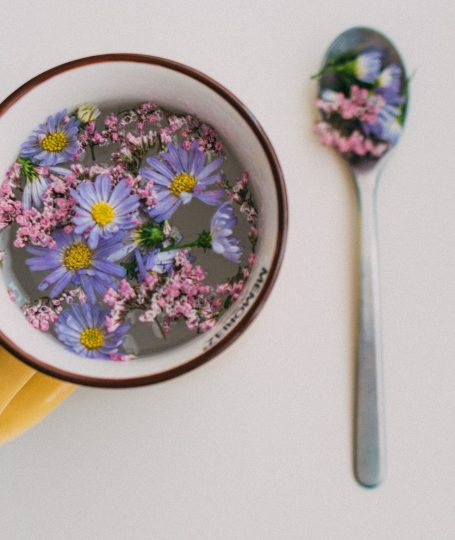
Floral teas are not only enjoyed for their taste but also for their visual beauty. When the flowers steep in hot water, their petals gradually open, creating a graceful display inside the teapot or glass cup. This small transformation turns tea drinking into a peaceful and mindful moment.
Floral Tea as a Gentle Balance After Festive Meals
Eid al-Fitr celebrations often include rich and flavorful foods, from traditional dishes to sweet desserts. After such meals, a light and aromatic beverage can provide a refreshing balance. Floral tea is ideal for this purpose because of its delicate flavor and comforting warmth.
Many people enjoy floral tea as a relaxing drink after gatherings, allowing them to unwind while continuing conversations with loved ones. The soothing qualities of floral tea make it suitable for both afternoon and evening gatherings during the festive season.
Floral teas can also be served in different ways. They can be enjoyed warm for a calming experience or chilled as a refreshing iced beverage, especially in warmer climates.
A Symbol of Wellness and Natural Living

In recent years, more people have embraced natural and botanical beverages as part of a balanced lifestyle. Floral teas fit naturally into this movement toward mindful wellness.
Flowers used in traditional tea blends have long been valued for their natural antioxidant content and calming properties. For example, chrysanthemum tea is often appreciated for its cooling nature, while rose tea is associated with relaxation and emotional balance. Jasmine tea is widely enjoyed for its gentle aroma that promotes a sense of calm.
Although these benefits come from traditional practices and cultural appreciation, floral tea continues to be valued as a simple and natural way to support everyday well-being.
Sharing Tea as a Meaningful Eid al-Fitr Gesture
One of the most beautiful aspects of Eid is the act of sharing. Whether it is sharing food, gifts, or kind words, every gesture reflects gratitude and generosity.
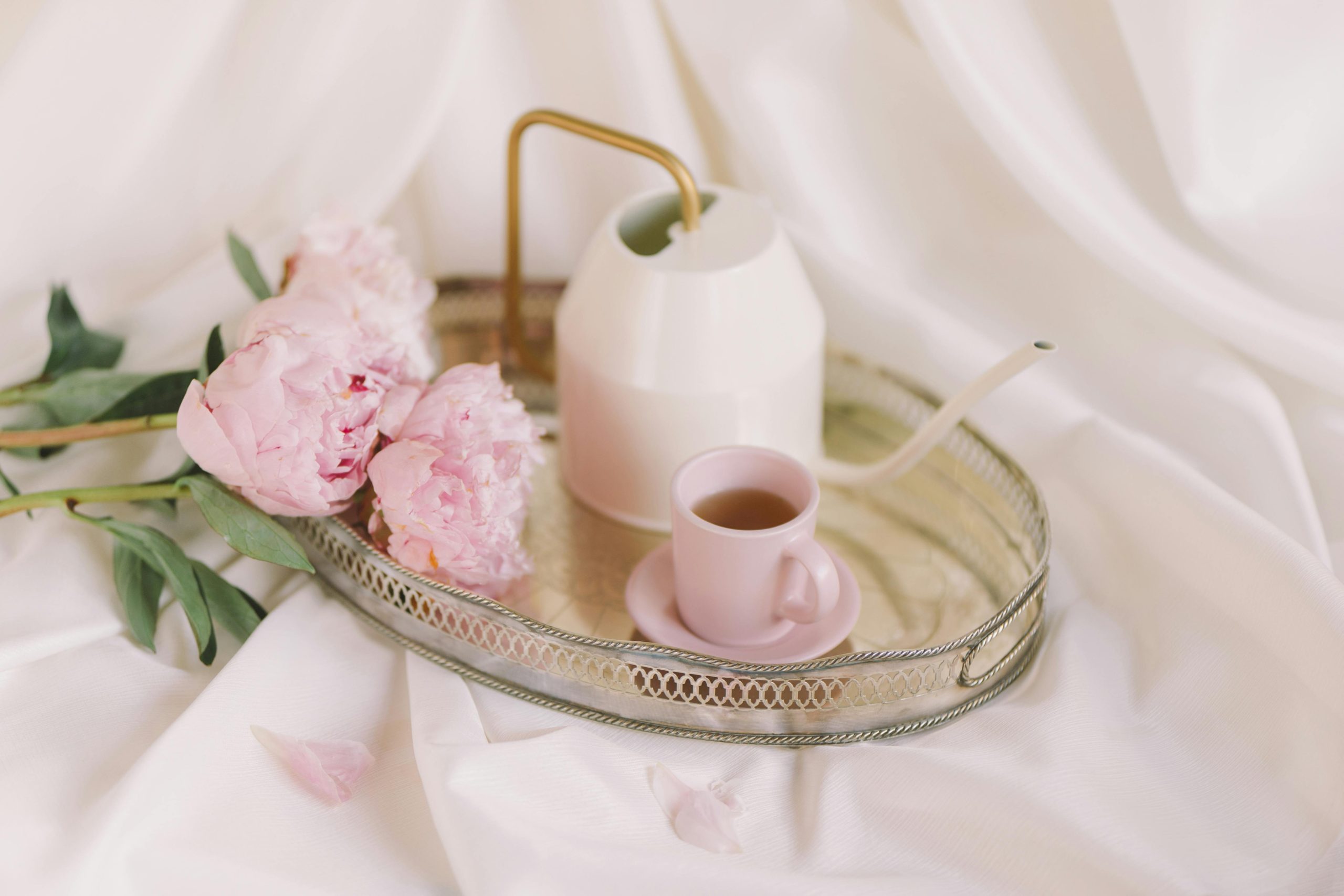
Offering a cup of floral tea to guests can become a meaningful tradition during Eid gatherings. The warmth of the tea and the fragrance of the flowers create an inviting atmosphere where people feel welcomed and appreciated.
Floral tea can also be given as a thoughtful gift during the festive season. Beautifully packaged tea blends or floral tea collections make elegant gifts that symbolize peace, wellness, and good wishes.
Celebrating Eid Eid al-Fitr with Warm Moments
Eid Mubarak is ultimately a celebration of gratitude, compassion, and togetherness. It reminds people to appreciate the blessings in their lives and to strengthen bonds with family and community.
During these joyful gatherings, even simple moments—such as sharing a fragrant cup of floral tea—can become meaningful experiences. The gentle aroma of flowers, the warmth of tea, and the presence of loved ones create a peaceful environment that reflects the spirit of Eid.
As families and friends come together to celebrate, a cup of floral tea can serve as a symbol of comfort, hospitality, and harmony—perfectly complementing the joyful message of Eid Mubarak. 🌙🍵🌸