No products in the cart.: $0.00
Dendrobium Flower Benefits: A Natural Wellness Bloom for Beauty, Hydration, and Vitality

Dendrobium flower has gained growing popularity for its elegant appearance and remarkable traditional health benefits. Often used in herbal beverages and wellness formulations, Dendrobium is valued for its gentle nourishing properties, cooling nature, and ability to support overall well-being naturally.
Known for centuries in traditional wellness practices across Asia, Dendrobium flowers are appreciated not only for their delicate floral aroma but also for their potential benefits for hydration, skin health, energy support, and internal balance. Today, many tea lovers and wellness enthusiasts enjoy Dendrobium as part of a calming daily tea ritual.
What is Dendrobium Flower?
Dendrobium Orchid is a type of orchid belonging to one of the largest orchid families in the world. It is admired for its beautiful blooms and has long been used in traditional herbal preparations.
In herbal wellness culture, is commonly dried and brewed into tea or blended with other flowers and botanicals such as chrysanthemum, goji berries, or sophora flowers. The flower is often associated with nourishment, hydration, and gentle wellness support.
Typically light, mildly sweet, and refreshing, making it suitable for both warm and cold tea preparations.
Read: Bioactivities and Mechanism of Actions of Dendrobium officinale: A Comprehensive Review
1. Supports Natural Hydration
One of the most well-known traditional benefits of Dendrobium flower is its hydrating nature. In herbal wellness traditions, Dendrobium is often consumed to help support body fluids and maintain internal moisture balance.
This makes Dendrobium tea especially popular during warm weather, after long working hours, or whenever the body feels overheated or fatigued. Many people enjoy it as a refreshing floral tea to complement a balanced lifestyle.
The naturally soothing characteristics make it an excellent option for individuals seeking gentle daily wellness support without heavy or overly stimulating ingredients.
2. Cooling and Refreshing Properties
Dendrobium flower is traditionally considered a “cooling” botanical. Cooling herbs are commonly appreciated in herbal wellness for helping the body feel refreshed and balanced.
Because of this cooling nature, often blended with floral ingredients such as chrysanthemum or goji berries in wellness teas. These combinations are commonly enjoyed to help maintain comfort during hot climates or periods of stress and tiredness.
A chilled floral tea can also be a refreshing alternative to sugary beverages, providing a naturally floral and calming experience.
3. May Support Skin Wellness and Beauty
Frequently associated with beauty and skin wellness traditions. In many herbal practices, hydration-supporting flowers are appreciated for helping maintain healthy-looking skin.
Since proper hydration plays an important role in skin appearance, floral teas like Dendrobium are often enjoyed as part of a beauty-from-within lifestyle. Many tea enthusiasts include Dendrobium beverages in their wellness routines to complement self-care habits and hydration goals.
Its delicate floral compounds and antioxidant content may also contribute to supporting overall wellness and protecting the body from environmental stressors.
4. Rich in Antioxidants
Like many flowers and botanicals used in wellness teas, Dendrobium contains natural antioxidant compounds. Antioxidants help protect the body from oxidative stress caused by daily environmental exposure and lifestyle factors.
Antioxidants are important because they help support overall cellular wellness and healthy aging. Drinking antioxidant-rich floral teas can be a gentle and enjoyable way to introduce more plant-based wellness support into a daily routine.
When combined with a balanced diet and healthy lifestyle, herbal flowers can become part of a holistic wellness approach.
5. Traditionally Used for Energy and Vitality
In traditional herbal wellness culture,is sometimes associated with supporting vitality and nourishment. Unlike caffeinated drinks that may cause jitters or crashes, floral herbal teas are often chosen for their gentle and calming nature.
Many people enjoy tea during busy workdays or moments of fatigue as part of a relaxing wellness ritual. Its light floral aroma and soothing taste can create a calming tea experience that encourages mindfulness and relaxation.
The tea is especially suitable for individuals looking for caffeine-free herbal beverage options.
6. Complements Modern Wellness Lifestyles
Today’s wellness consumers are increasingly seeking natural beverages that combine beauty, relaxation, hydration, and gentle wellness support. Dendrobium flower fits perfectly into this lifestyle trend.
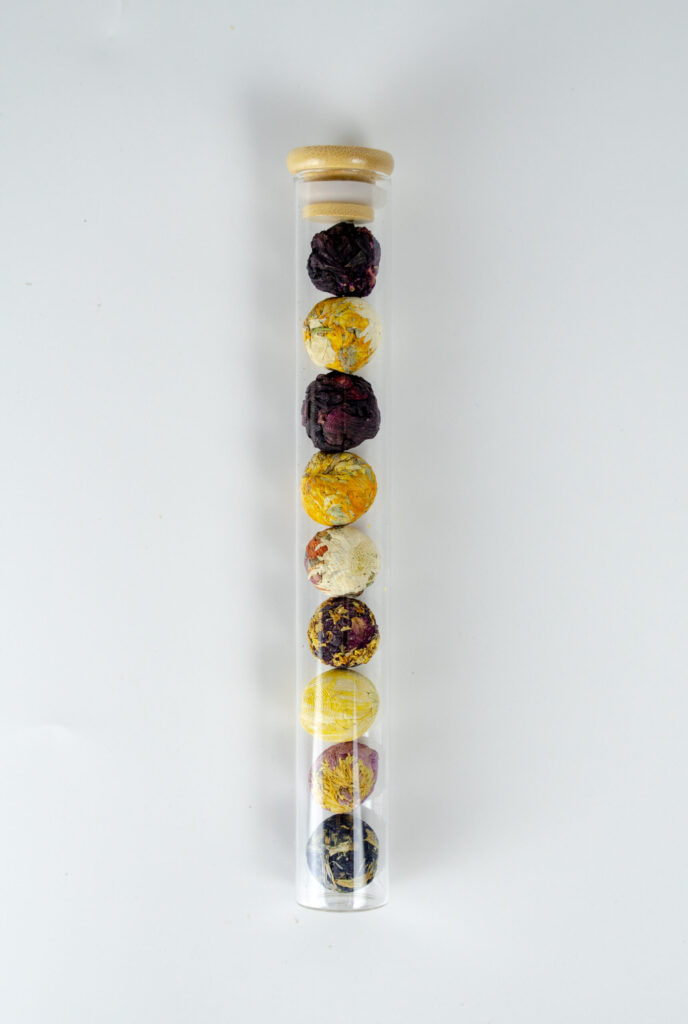
Whether enjoyed hot in the morning or served iced during the afternoon, offers a versatile and elegant tea-drinking experience. It can also be blended with ingredients such as:
- Goji berries
- Chrysanthemum
- Rose petals
- Sophora flowers
- Jasmine
- Honey or rock sugar
These combinations create flavorful floral infusions while enhancing the overall tea experience.
How to Enjoy

Preparing Dendrobium tea is simple and relaxing:
- Add dried Dendrobium flowers into a cup or teapot
- Pour hot water at approximately 80–90°C
- Steep for 5–10 minutes
- Enjoy warm or chilled
You may also add honey, goji berries, or other flowers for added flavor and wellness enjoyment.
Dendrobium Orchid continues to grow in popularity among tea lovers and wellness enthusiasts for its refreshing nature, elegant floral profile, and traditional wellness associations.
From hydration and cooling support to antioxidant benefits and beauty-focused wellness routines, Dendrobium flower tea offers a gentle and enjoyable way to embrace floral wellness naturally.
As more people explore herbal teas and botanical beverages like we offer Tea Therapy Singapore. Dendrobium remains a timeless flower appreciated for both its beauty and its calming wellness experience.