No products in the cart.: $0.00
Dark Showering for Better Sleep: A Simple Night Ritual with Herbal Tea

Sleep is essential for overall well-being, yet many people struggle to fall asleep quickly or stay asleep throughout the night. Busy schedules, screen exposure, and high stress levels can interfere with the body’s natural sleep rhythm.
Recently, a new wellness practice known as dark showering has been gaining attention as a simple way to prepare the body for sleep. While the concept may sound unusual, the idea behind it is supported by both sleep science and traditional wellness principles.
When combined with a calming evening ritual, such as enjoying a warm cup of herbal tea. Dark showering can help create a relaxing environment that encourages the body to wind down naturally.
What Is Dark Showering?
Dark showering refers to taking a warm shower in dim lighting or near darkness before bedtime. Instead of using bright bathroom lights, the shower is taken with minimal lighting to reduce stimulation and help the body transition toward rest.
This practice is typically done 60 to 90 minutes before going to sleep, allowing the body enough time to relax after the shower.
Unlike morning showers, which are often energizing and refreshing, dark showering is meant to promote calmness and relaxation. By reducing sensory input, especially bright light. The body may find it easier to shift into its natural nighttime rhythm.
Read: Struggling To Sleep? Dark Showering Is The Wellness Trend To Try
How Light Affects Sleep
One of the key reasons dark showering may support better sleep is the role light plays in regulating the body’s circadian rhythm, the internal clock that controls sleep and wake cycles.
Light entering the eyes sends signals to the brain that influence the production of melatonin, the hormone responsible for helping the body prepare for sleep.
Exposure to bright lighting in the evening can suppress melatonin production, making it harder to fall asleep. Bathrooms are often among the brightest spaces in the home due to overhead lighting and illuminated mirrors.
By turning off bright lights or using softer lighting during an evening shower, you can reduce one of the strongest signals that tells your brain it is still daytime.
Reducing light exposure at night may help support the body’s natural sleep processes.
The Role of Warm Showers in Sleep Preparation
Temperature also plays an important role in helping the body prepare for sleep.
Research suggests that spending about 10 minutes in warm water between 40°C and 42°C roughly one to two hours before bedtime may help shorten the time it takes to fall asleep.
Warm water raises skin temperature, and when you step out of the shower, your body begins to release heat. This process causes the core body temperature to drop, which is a natural signal that encourages sleep.
Together, dim lighting and warm water create an environment that supports relaxation and nighttime readiness.
Adding Herbal Tea to Your Nighttime Routine

For centuries, herbal teas have been used in many cultures as a gentle way to relax in the evening.
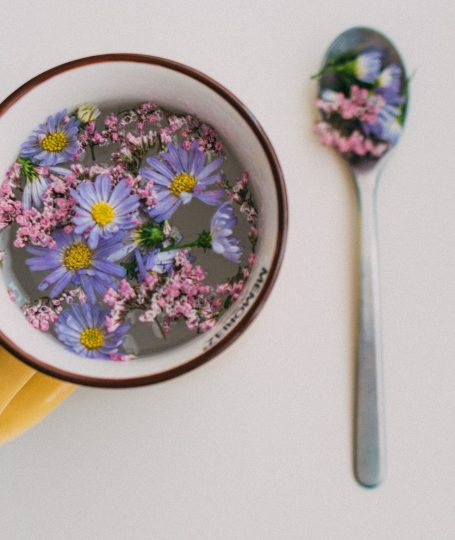
Drinking a warm cup of herbal tea after a shower can complement your nighttime routine by providing a moment of calm and hydration before bed.
Floral and botanical ingredients often used in herbal teas include:
- Rose – traditionally used to support emotional balance and relaxation
- Lotus seed and jujube – commonly found in traditional herbal formulations for restful evenings
- Longan and barley – known for their nourishing qualities
- Rosemary and citrus peel – which offer soothing aromatic properties
These natural ingredients are often included in calming herbal blends designed to promote relaxation and comfort.
Enjoying a warm herbal infusion while reading, journaling, or simply relaxing can help create a peaceful transition from daytime activity to nighttime rest.
Creating a Relaxing Evening Ritual

Building a consistent nighttime routine can make a meaningful difference in sleep quality. A simple ritual may include:
- Dimming the lights in your home in the evening
- Taking a warm shower in low lighting
- Limiting screen exposure before bedtime
- Enjoying a calming herbal tea
- Practicing quiet activities such as reading or gentle stretching
These small habits help signal to the body that it is time to slow down and prepare for sleep.
A Gentle Approach to Better Sleep
While dark showering is not a cure for insomnia or chronic sleep issues, it can be a helpful part of a broader wellness routine. By reducing light exposure and creating calming rituals before bedtime, you allow the body to align with its natural sleep cycle.
Simple habits, such as dim lighting, warm showers, and herbal te can transform the evening into a moment of relaxation and restoration.
Sometimes, the most effective wellness practices are also the simplest: slowing down, creating a peaceful environment, and allowing the body to rest naturally.