No products in the cart.: $0.00
Breast Health: 7 Healthy Lifestyle Habits to Support Women’s Wellness

Breast health is an important part of overall wellness, and taking care of your body does not have to mean making dramatic changes overnight. Everyday habits such as staying physically active, eating a balanced diet, getting enough rest, and attending recommended health screenings can all contribute to a healthier lifestyle.
While no lifestyle choice can completely prevent breast cancer, research suggests that certain habits may help reduce risk. For women looking to take a more mindful approach to their wellbeing, small and consistent choices can make a meaningful difference over time.
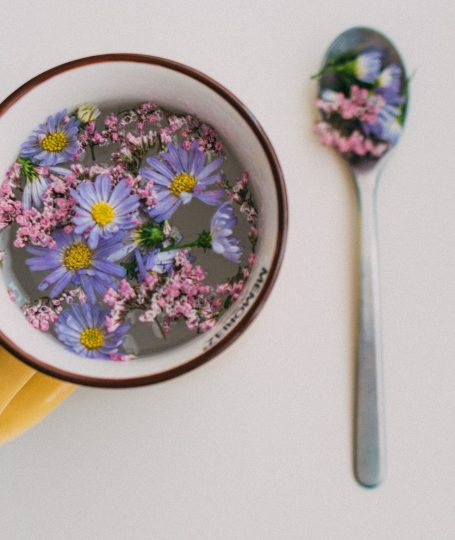
At Tea Therapy Singapore, we believe wellness can be incorporated into everyday rituals. From enjoying a naturally caffeine-free floral infusion to taking a few quiet minutes to slow down, simple moments of self-care can complement a balanced lifestyle.
Here are seven healthy habits to consider for supporting women’s wellness and breast health.
1. Maintain a Breast Health with Balanced Lifestyle
Maintaining a healthy weight is one part of an overall approach to reducing certain health risks. This becomes particularly relevant after menopause, when changes in hormone levels and body composition can influence breast cancer risk.
Rather than focusing on restrictive diets or rapid changes, aim for sustainable habits. Choose nutritious foods, stay active, get adequate sleep, and listen to your body’s needs.
A balanced lifestyle is not about perfection. It is about creating routines that support your physical and emotional wellbeing over the long term.
2. Make Regular Physical Activity Part of Your Routine
Regular movement is beneficial for overall health and may also help lower the risk of breast cancer.
You do not necessarily need an intense workout routine. Walking, cycling, swimming, dancing, stretching, or participating in recreational activities can all be ways to stay active.
For many people, making movement part of everyday life is easier when it is enjoyable. Consider taking a walk after dinner, choosing the stairs when practical, or setting aside time during the week for an activity you genuinely enjoy.
The goal is to build a sustainable relationship with movement rather than viewing exercise as a short-term challenge.
3. Choose a Nourishing, Varied Diet
A healthy diet can support your overall wellbeing and provide your body with essential nutrients.
Try to include a variety of fruits and vegetables, whole grains, legumes, nuts, seeds, and other nutrient-rich foods in your meals. Healthy sources of protein and unsaturated fats can also form part of a balanced eating pattern.
Instead of concentrating on a single “superfood,” think about the overall quality and variety of your diet.
For a simple wellness ritual after a meal or during a quiet afternoon, a cup of unsweetened herbal or floral tea can also be a pleasant alternative to sugary beverages.
Tea should not be viewed as a treatment or cure for breast cancer. Rather, it can be enjoyed as one small part of a balanced lifestyle.
4. Be Mindful of Alcohol Consumption
Alcohol consumption is associated with an increased risk of breast cancer, and the risk generally increases as alcohol intake increases.
If you drink alcohol, being mindful of how frequently and how much you consume can be an important part of making informed health choices.
For occasions when you simply want something enjoyable to sip, consider naturally caffeine-free and unsweetened floral infusions. They can provide a comforting beverage ritual without adding alcohol or unnecessary sugar.
5. Know Your Family Breast Health History
Understanding your family health history can help you have more informed conversations with your healthcare professional.
If close relatives have had breast cancer or certain other cancers, especially at a younger age, share this information with your doctor. In some families, inherited genetic changes can increase the risk of developing breast and ovarian cancers.
Family history does not mean that you will necessarily develop breast cancer. However, knowing your history can help you and your healthcare team determine whether additional assessment or earlier screening may be appropriate.
6. Keep Up With Recommended Health Screenings
Being aware of changes in your breasts and following recommended screening guidance are important aspects of breast health.
Breast cancer screening recommendations can vary depending on factors such as age, personal health history, and individual risk. Speak with a qualified healthcare professional about which screening schedule is appropriate for you.
If you notice an unusual or persistent change, such as a new lump, change in breast appearance, unusual discharge, or another concern, seek medical advice rather than trying to diagnose the cause yourself.
Early detection can make a significant difference in breast cancer outcomes, which is why appropriate screening and medical attention matter.
7. Create Time for Rest and Self-Care
Wellness is more than nutrition and exercise. Rest, relaxation, and emotional wellbeing are also important parts of taking care of yourself.
Modern life can make it easy to move from one responsibility to another without taking a genuine pause. Creating a few intentional moments throughout the day can help you reconnect with yourself.
A simple tea ritual can be one way to create that pause. Prepare a cup of floral tea, step away from your screen, take a few slow breaths, and give yourself several minutes without distractions.
Tea Therapy Singapore’s floral infusions are made with naturally dried botanicals and are caffeine-free and unsweetened, making them suitable for those looking for a gentle beverage to enjoy as part of their daily routine.
Making Women’s Wellness an Everyday Practice
Supporting breast health is not about following one perfect formula. It is about building a collection of healthy habits that can become part of everyday life.
Eating a varied diet, staying active, limiting alcohol, understanding your family history, following appropriate screening recommendations, and making time for rest can all contribute to a more mindful approach to women’s wellness.
Most importantly, remember that lifestyle habits are only one part of breast cancer risk. Factors such as age, genetics, reproductive history, and other individual circumstances can also play a role. No food, tea, or wellness product can guarantee prevention.
Read: Innovative Practice in Breast Health
At Tea Therapy Singapore, we believe that wellness can be found in the small rituals we create for ourselves. A quiet cup of naturally caffeine-free floral tea may not replace medical care, but it can be a simple reminder to pause, nourish yourself, and make time for wellbeing.
Take a moment for yourself. Brew slowly, breathe deeply, and make everyday wellness part of your ritual.
This article is for general educational purposes only and is not intended to provide medical advice, diagnosis, or treatment. If you have concerns about breast health or your personal risk of breast cancer, consult a qualified healthcare professional.