No products in the cart.: $0.00
Ashwagandha, Is It the Key to Managing Modern Stress? A Gentle Wellness Perspective in 2026
Ashwagandha enters the modern wellness conversation at a time when stress has become an almost unavoidable part of daily life. Demanding work schedules, constant digital stimulation, and the pressure to remain productive leave many people functioning in a near-constant state of tension. Unlike short-term stress that comes and goes, chronic stress often builds quietly manifesting through disrupted sleep, digestive discomfort, emotional fatigue, lowered immunity, and difficulty maintaining focus.
While stress cannot be completely eliminated, it can be managed. Increasingly, people are turning to natural approaches that support the body gently rather than forcing quick fixes. One such natural solution that has gained global attention is ashwagandha, an adaptogenic herb with a long history of traditional use.
At Tea Therapy Singapore, we view stress management as a journey rather than a single solution. Herbs like ashwagandha can play a role, but true balance is built through daily rituals, mindful nourishment, and intentional moments of calm.
What Is Ashwagandha?
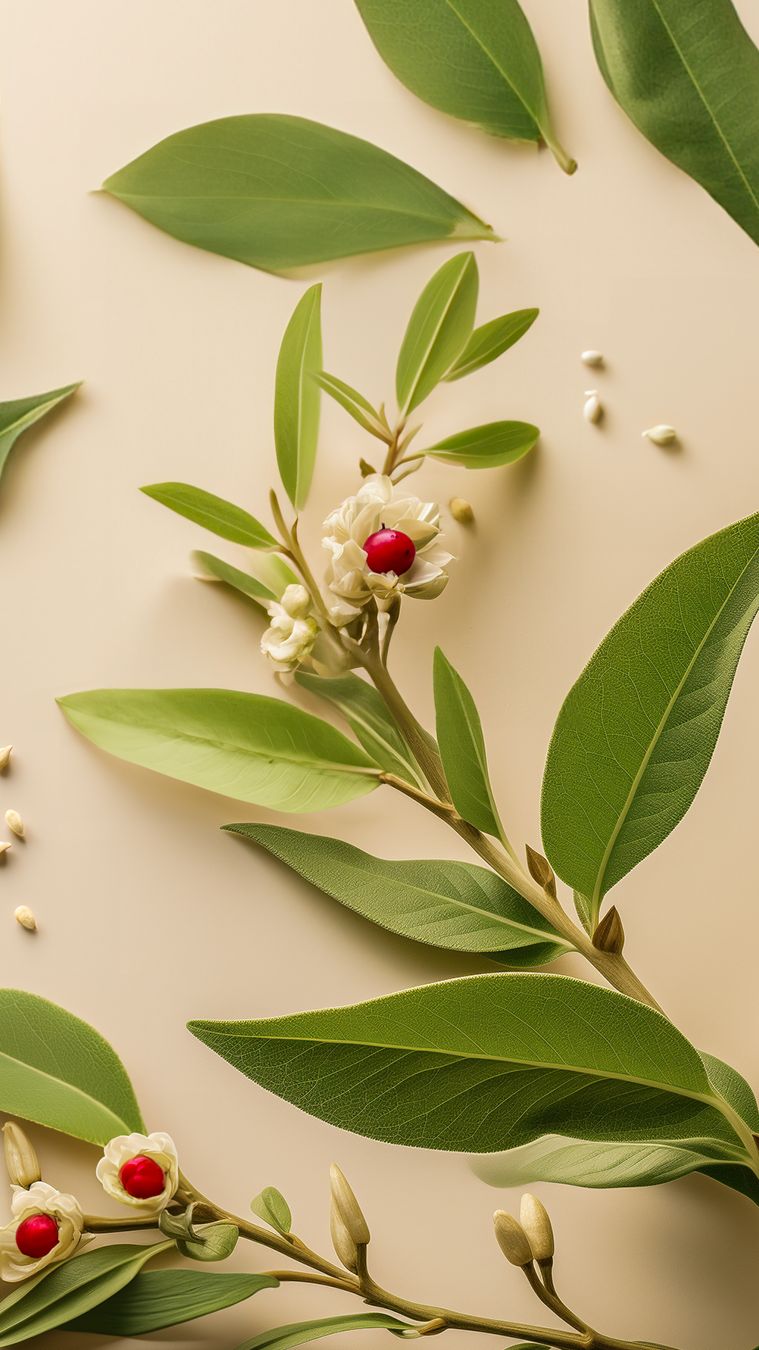
Ashwagandha (Withania somnifera) is a root-based herb traditionally used in Ayurvedic wellness practices for centuries. It is classified as an adaptogen, a group of herbs believed to help the body adapt to physical, emotional, and environmental stressors.
Unlike stimulants that push the body into action or sedatives that suppress activity, adaptogens are thought to work by supporting balance. Ashwagandha, in particular, is associated with nourishing the nervous system, supporting resilience, and promoting a sense of grounded calm over time.
How Ashwagandha Supports the Stress Response
One of the key reasons ashwagandha is commonly discussed in stress management is its relationship with cortisol, often called the body’s primary stress hormone. Cortisol plays an important role in regulating metabolism, blood pressure, immune response, and energy levels. However, prolonged stress may cause cortisol to remain elevated longer than necessary, which can disrupt sleep, digestion, mood, and overall well-being.
Traditional use and emerging research suggest that ashwagandha may help support a more balanced cortisol rhythm when taken consistently. Rather than eliminating stress, it helps the body respond more effectively to it. This may translate into better sleep quality, reduced feelings of anxiety, steadier energy levels, and improved emotional balance.
It is important to note that ashwagandha is not an instant remedy. Like many natural approaches, it works gradually and is most effective when paired with healthy lifestyle habits.
Read: Is Ashwagandha The Secret To Managing Stress?
Stress Management Is More Than a Supplement
At Tea Therapy Singapore, we emphasise that stress relief is not achieved through supplements alone. The foundation of effective stress management lies in daily habits that support the nervous system and overall balance.
Some key lifestyle practices that naturally reduce stress include:
- Mindful eating: Balanced meals that stabilise blood sugar can prevent energy crashes and irritability.
- Gentle movement: Walking, stretching, or light exercise helps release physical tension and regulate the nervous system.
- Quality sleep routines: Reducing screen time in the evening and creating calming nighttime rituals supports restorative rest.
- Mental pauses: Journaling, breathwork, or moments of quiet reflection help calm a busy mind.
Ashwagandha can complement these practices, but it works best as part of a holistic routine rather than a stand-alone solution.
Herbal Tea as a Gentle Daily Ritual
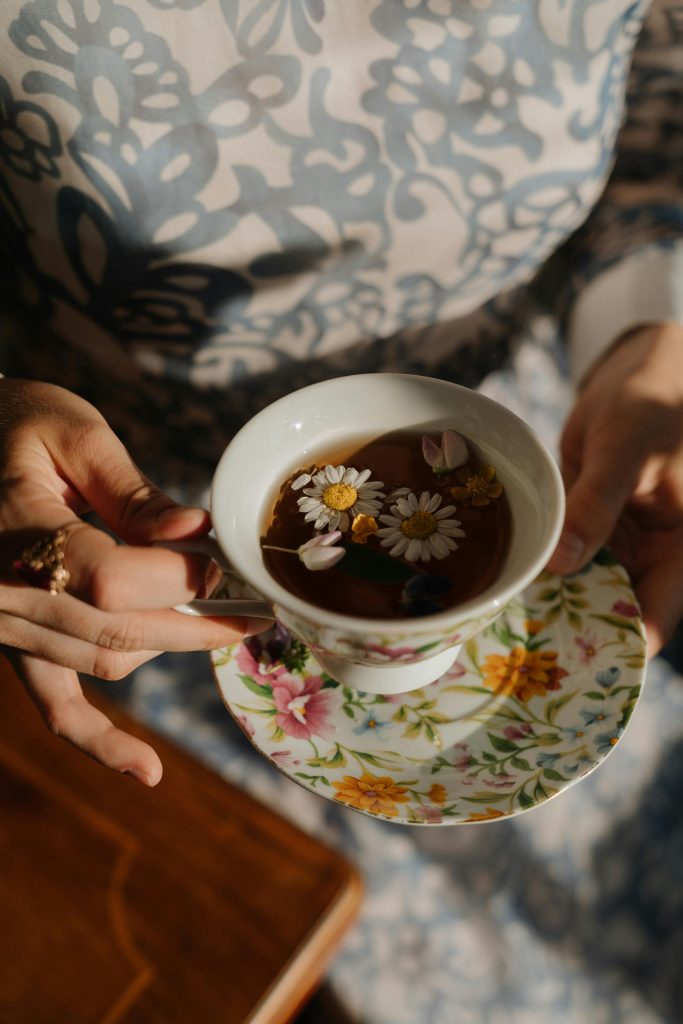
For many people, daily rituals are easier to sustain than supplement regimens. Herbal tea offers a gentle, accessible way to create moments of calm throughout the day, without overstimulation or dependency.
Warm herbal teas naturally encourage the body to slow down. The act of preparing and sipping tea mindfully signals the nervous system to shift from a state of alertness to relaxation. This is particularly helpful in the evening or during stressful moments.
At Tea Therapy Singapore, our herbal blends are thoughtfully crafted to support relaxation, digestion, and emotional balance, areas often affected by chronic stress. Ingredients traditionally used in herbal wellness are selected for their soothing properties, making tea a simple yet powerful tool for daily stress support.
Choosing Natural Stress Support Mindfully
For those considering ashwagandha, quality and consistency are key. Reputable products clearly state the source of the herb, extraction method, and recommended dosage. It is generally advised to allow several weeks of consistent use to notice meaningful changes.
As with all herbal supplements, individuals who are pregnant, breastfeeding, managing medical conditions, or taking medication should consult a healthcare professional before use.
Similarly, herbal teas should be enjoyed as part of a balanced lifestyle and not as a replacement for medical treatment when needed.
A Calmer, More Sustainable Approach to Wellness
Stress may be an inevitable part of modern living, but burnout does not have to be. Whether through adaptogenic herbs like ashwagandha, calming tea rituals, or mindful lifestyle adjustments, supporting the body’s natural stress response can restore a sense of balance and clarity.
At Tea Therapy Singapore, we believe true wellness is found in consistency, gentleness, and intention. A daily cup of tea, a moment of pause, or a supportive herbal ritual may seem small—but over time, these choices create meaningful change.
Because managing stress is not about escaping life’s demands, but learning how to meet them with calm, resilience, and care.